1 of the Biggest Winners of a U.S.-China Trade Deal Could Be This Unlikely S&P 500 Stock
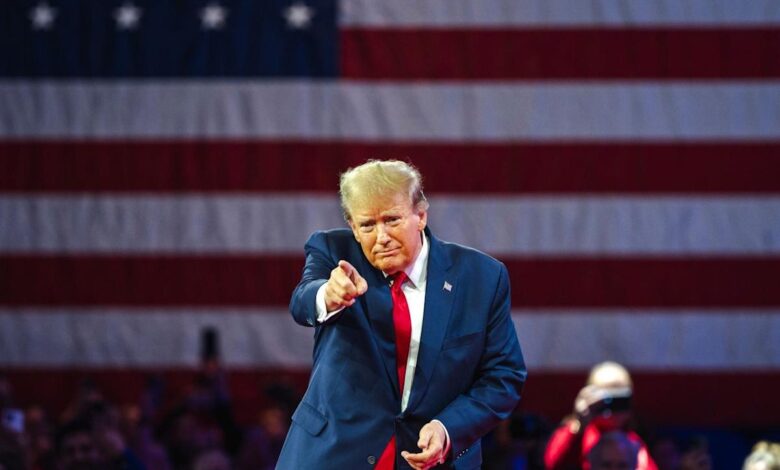
U.S. stocks experienced a significant surge on Monday following President Trump’s reassuring comments that alleviated concerns about a sudden escalation in China tariffs. The S&P 500 rallied approximately 1.5%, while the Nasdaq soared by 2.2%, effectively reversing the losses from the previous Friday.
Leading the charge among large-cap names was Best Buy (BBY), with its shares skyrocketing by around 10% to $77.45. This surge can be attributed to Best Buy’s heavy dependence on imported goods, which means that lower tariffs or smoother trade flows could greatly alleviate cost pressures and enhance margins. Analysts are optimistic that Best Buy could emerge as one of the unexpected beneficiaries of a potential U.S.-China trade agreement.
Based in Richfield, Best Buy is a multinational retailer of consumer electronics and appliances, operating over 1,100 stores in the U.S. and Canada, in addition to its online platforms. The company’s brands include Geek Squad tech support, Magnolia Audio/Video, and Pacific Sales. With 2025 annual revenue reaching approximately $41.5 billion, Best Buy is a Fortune 500 firm and a member of the S&P 500.
Despite its strong fundamentals, Best Buy’s stock performance has been lackluster in 2025, with a year-to-date decline of around 10%. This underperformance is reflective of ongoing challenges, including consumer caution towards big-ticket tech purchases amidst inflation and tariff uncertainties. While the recent positive trade news provided a boost, Best Buy still lags behind many growth-oriented S&P names.
In terms of valuation, Best Buy appears attractive with an EV/sales ratio of 0.44, significantly lower than the sector median of 1.39. However, its price-to-book ratio of 5.16 is higher than the sector median of 2.83, indicating a more expensive aspect of the stock. Additionally, the company offers investors a compelling forward dividend yield of 5.4%, supported by an annual dividend of $3.80 per share.
In late August, Best Buy surpassed Wall Street’s revenue and profit estimates for the fiscal second quarter but maintained its full-year outlook. Despite reporting adjusted EPS of $1.28 and revenue of $9.44 billion, net income declined to $186 million, reflecting challenges in the retail landscape. The company’s strong profitability is evident from its high asset turnover ratio of 2.69, showcasing efficient asset utilization to drive revenue.
Looking ahead, Best Buy remains cautiously optimistic about its sales performance, despite lingering tariff uncertainties that could impact margins and consumer behavior. The company’s strategic initiatives, including partnerships with IKEA and the launch of a new online marketplace, aim to enhance sales momentum and drive customer engagement.
While analysts have mixed views on Best Buy post-earnings, the average analyst target price hovers around $80, signaling a “Moderate Buy” consensus. With the most bullish estimate projecting a potential 15% upside, Best Buy’s stock could see significant gains if positive sentiments materialize. Investors should closely monitor developments in the retail sector and trade dynamics to gauge Best Buy’s growth trajectory.