17 Million Americans May Lose Health Coverage Under The One Big Beautiful Bill
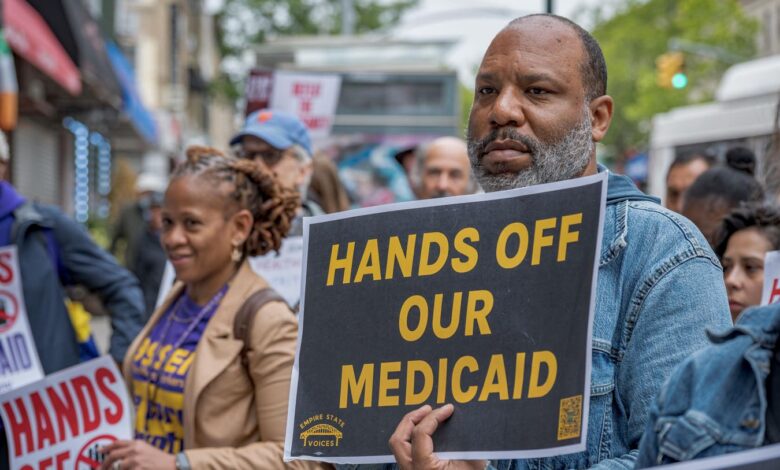
The recent protests outside House Representative Nicole Malliotakis’ office in Brooklyn shed light on the controversial “One Big Beautiful Bill” signed by President Trump. This budget reconciliation package is expected to have far-reaching consequences, particularly in the realm of healthcare coverage. According to a report, 17 million Americans could lose their health insurance coverage by 2026 once the bill is fully implemented.
One of the key provisions of the bill is the prohibition of Medicaid funds to nonprofit organizations and community health centers that offer family planning and reproductive health care services, including abortion care. This could result in gaps in access to vital healthcare services, especially for underserved communities. Planned Parenthood, a longstanding provider of reproductive health care, is a primary target of this provision, potentially impacting millions of patients.
Additionally, the bill imposes stringent work requirements on Medicaid enrollees, mandating individuals aged 19 to 64 to work at least 80 hours per month. This could lead to a significant number of people losing their insurance coverage, especially those with caregiving responsibilities, disabilities, or pursuing education. The bill also includes cost-sharing requirements for Medicaid enrollees, which could result in increased out-of-pocket healthcare costs for individuals managing chronic conditions.
Furthermore, the bill cuts the Biden-era incentive for states to expand Medicaid, eliminating the temporary financial support provided under the American Rescue Plan. This could hinder access to health coverage for millions of Americans who benefited from Medicaid expansion. The bill also restricts subsidized health insurance coverage through the Affordable Care Act marketplace for certain groups of immigrants, further limiting access to essential healthcare services.
While many of these provisions are set to take effect in 2026, the repercussions are already being felt. It is crucial for individuals and families affected by these changes to stay informed and monitor their health plans and finances closely. The One Big Beautiful Bill may make it challenging for vulnerable populations to access healthcare and could exacerbate economic hardships for many. As the implementation of the bill progresses, it is essential for policymakers and healthcare advocates to address the potential impacts on healthcare access and affordability for all Americans.