1st death linked to alpha-gal syndrome, a meat allergy spread by ticks, reported in N.J., researchers say
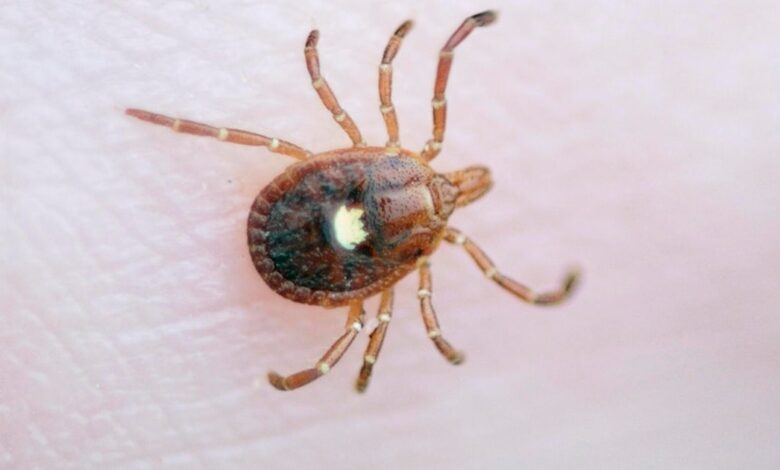
A tragic incident in September 2024 shed light on the rare and potentially deadly consequences of a tick bite-induced meat allergy known as alpha-gal syndrome (AGS). The victim, a 47-year-old man from New Jersey, succumbed to an allergic reaction triggered by consuming red meat, ultimately leading to his untimely death. Researchers recently made the connection between the man’s passing and his allergy to alpha galactose, a carbohydrate found in red meat and dairy products.
The sequence of events leading to the man’s demise began during a camping trip with his family, where he consumed beef steak for dinner. Shortly thereafter, he experienced severe abdominal discomfort, diarrhea, and vomiting. Although he initially felt better the next morning, he recounted feeling as though he was on the brink of death. Tragically, he did not seek medical attention for his symptoms at that time.
Two weeks later, at a barbecue, the man consumed a hamburger which resulted in him being found unconscious on the bathroom floor a few hours later. Despite being rushed to a local hospital, he was pronounced dead shortly after arrival. The autopsy initially labeled his death as a “sudden unexplained death,” but further investigation revealed an allergic reaction to alpha-gal as the underlying cause.
The man’s widow played a crucial role in uncovering the true nature of her husband’s passing by enlisting medical experts to review the autopsy findings. Subsequent blood tests confirmed the presence of an allergic reaction consistent with fatal anaphylaxis due to alpha-gal.
This tragic incident underscores the importance of raising awareness about AGS, especially in regions where Lone Star ticks, the culprits behind the allergy, are prevalent. Experts emphasize the need for public education on the symptoms of AGS, which can include hives, nausea, stomach pain, breathing difficulties, and swelling. Additionally, individuals living in tick-infested areas like New York and New Jersey are urged to take preventive measures against tick bites to minimize the risk of developing AGS.
In conclusion, the man’s unfortunate passing serves as a poignant reminder of the potential dangers posed by tick-borne allergies like AGS. By increasing awareness and understanding of this condition, healthcare professionals hope to prevent similar tragedies in the future.