20% of U.S. jobs are highly vulnerable to robots and automation, economists say
Robots and automation technologies are set to revolutionize the workforce in the United States, with economists predicting that as much as 20% of jobs could be replaced within the next 20 years. According to a report by investment advisory firm Oxford Economics, a significant portion of jobs are highly vulnerable to automation, as technology capable of performing tasks currently done by humans is already available in the market.
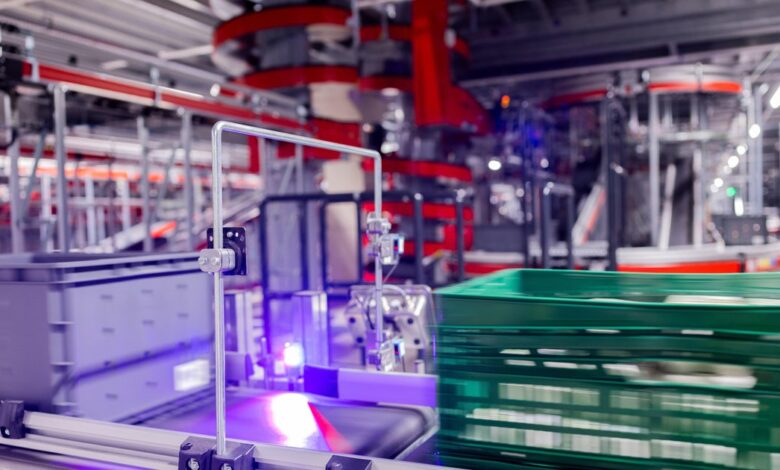
The transportation and logistics sector is expected to be the most affected by automation, with around 60% of jobs in this industry at risk of being replaced by technology in the near future. This sector, along with manufacturing, accommodation and catering, retail, wholesale, and trade and extraction, are among the most vulnerable to automation, according to Oxford Economics.
Nico Palesch, a senior economist at the advisory firm, highlighted the impact of automation on physical work, such as driving trucks and warehouse operations, which has often been overlooked in discussions about AI’s impact on white-collar jobs. While the potential for automation exists, Palesch emphasized that it does not mean an immediate collapse of jobs or a sudden surge in productivity. Progress in automation is gradual and ongoing, with businesses likely to adapt and adjust to the changing landscape over time.
Despite the concerns about job displacement, economists believe that emerging technologies like robots and AI will ultimately boost the economy’s productivity and lead to job creation. For example, restaurants may open more locations and reassign employees to different roles as automation takes over certain tasks. The demand for work will not disappear, as the need for maintaining, designing, and operating robots will create new opportunities for employment.
In conclusion, while the rise of automation may reshape the workforce in the U.S., it is important to recognize the potential benefits and challenges that come with this technological shift. By embracing innovation and adapting to changes in the labor market, businesses and workers can navigate the transition towards a more automated future.