2026 World Cup’s contingency plans for wildfire smoke risks remain unclear
The countdown to the 2026 World Cup hosted by Canada, Mexico, and the United States has begun, with less than a year to go until the tournament kicks off on June 11. The anticipation is building for this historic event, but there are concerns looming over how FIFA will handle matches affected by wildfire smoke.
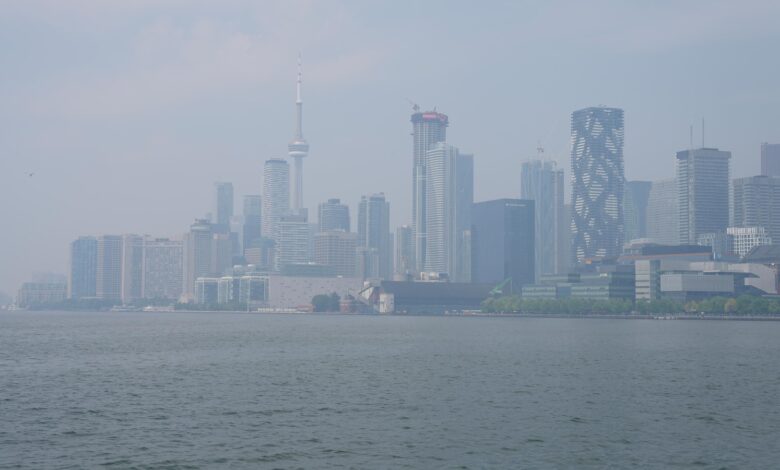
Canada is set to host 13 matches, with seven scheduled for Vancouver and six for Toronto. However, the recent spike in air pollution levels in Toronto has raised questions about the protocols in place for dealing with air quality issues during the tournament. The city saw its Air Quality Health Index reach alarming levels, prompting concerns about the potential impact on players, officials, and spectators.
Despite calls for transparency, the organizing committee for the World Cup in Canada has not disclosed any specific guidelines for dealing with air quality-related contingencies. With no policies publicly available, there is uncertainty surrounding how FIFA will address matches affected by wildfire smoke.
The severity of this year’s fire season in Canada has added to the urgency of the situation. Data from the Canadian government indicates that this year’s fire season is the second-largest on record, with millions of acres of land already burnt. As authorities work to mitigate the impact of wildfires, concerns about air quality persist.
Dr. Howard Shapiro, Toronto’s associate medical officer of health, emphasized the importance of proactive planning to address environmental health concerns during the World Cup. Toronto Public Health is actively reviewing the latest evidence and best practices to ensure the health and safety of residents, visitors, and participants.
Experts have highlighted the need for clear guidelines on when to reschedule outdoor activities due to poor air quality. Dr. Andrew Halayko, a professor of physiology and pathophysiology, emphasized the importance of protecting vulnerable populations from the harmful effects of pollution.
While there is debate over the impact of poor air quality on athletes, some experts argue that even low levels of pollution can affect performance and increase the risk of injuries. The Canadian Football League has a policy in place to postpone games when the Air Quality Health Index exceeds a certain threshold, prioritizing the health and safety of players.
As preparations for the 2026 World Cup continue, stakeholders are calling for clear and comprehensive protocols to address air quality issues. With the tournament fast approaching, it is essential to prioritize the well-being of all participants and ensure a safe and healthy environment for everyone involved.