21 US Cities Rank Among the World’s Most Dangerous
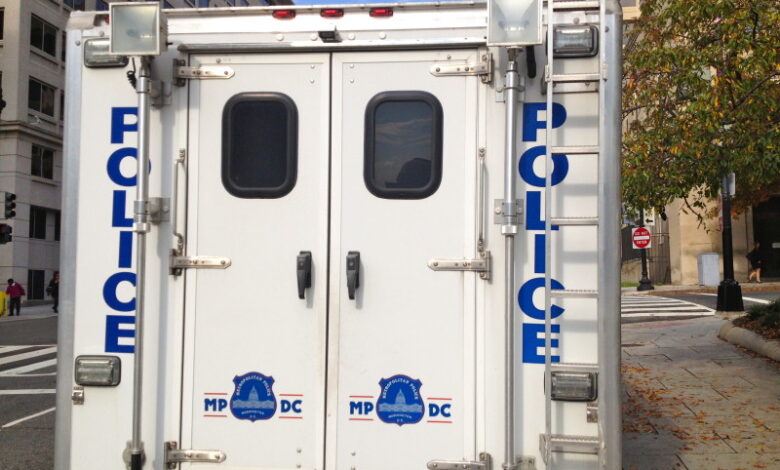
Crime statistics and rankings are often a hot topic of discussion, especially when it comes to comparing different cities and countries. In a recent index ranking 385 cities worldwide, crime was one of the key measures used. Surprisingly, 21 American cities were ranked among the most dangerous in the top 100, alongside eight Canadian cities.
One notable expert in the field of crime statistics is Leonard Adam Sipes, Jr. He has an extensive background in crime prevention and statistics, having served in various roles in the Department of Justice and other criminal justice agencies. With over 35 years of experience, Sipes has been a trusted source for crime data and has been quoted by numerous reputable sources and publications.
While some reports indicate a decrease in crime rates in American cities based on reported data to law enforcement agencies, other sources paint a different picture. Gallup surveys show that there is a heightened concern and fear of crime in the United States, with record increases in violent crime reported in the latest official statistics from the Bureau of Justice Statistics.
Property crime is also a significant issue, with retail shrinkage and organized retail crime on the rise. The National Retail Federation reported substantial losses due to theft and shrinkage, with porch package thefts alone costing billions of dollars annually. Cybercrime and scams are also on the rise, with criminals stealing billions from unsuspecting Americans every year.
Cargo theft is another growing concern, with the average value of each theft exceeding $200,000. The National Insurance Crime Bureau has reported a staggering 1,500 percent increase in cargo theft incidents since 2021, highlighting the need for increased vigilance and security measures.
In conclusion, while crime statistics may show a decrease in some areas, the overall perception of safety and security in American cities remains a pressing issue. With experts like Leonard Adam Sipes, Jr. providing valuable insights and data, it is essential to stay informed and vigilant in tackling crime and ensuring the safety of communities. Louis, MO
# 26 Cleveland, OH
# 27 Oakland, CA
# 28 Milwaukee, WI
# 29 San Francisco, CA
# 30 Kansas City, MO
# 31 Indianapolis, IN
# 32 Atlanta, GA
# 33 New Orleans, LA
# 34 Philadelphia, PA
# 35 Nashville, TN
# 36 Chicago, IL
# 37 Houston, TX
# 38 Miami, FL
# 39 Washington, DC
# 40 Pittsburgh, PA
# 45 Cincinnati, OH
# 47 Los Angeles, CA
# 48 Dallas, TX
# 49 Jacksonville, FL
# 50 Denver, CO
# 51 Phoenix, AZ
# 52 Seattle, WA
# 53 Boston, MA
# 54 Austin, TX
# 55 San Antonio, TX
# 56 Orlando, FL
# 57 Tampa, FL
# 58 Minneapolis, MN
# 59 Charlotte, NC
# 60 Sacramento, CA
# 62 Salt Lake City, UT
# 63 Louisville, KY
# 64 San Jose, CA
# 66 Oklahoma City, OK
# 68 Raleigh, NC
# 69 Portland, OR
# 71 Las Vegas, NV
# 73 Columbus, OH
# 74 San Diego, CA
# 75 Richmond, VA
# 76 Hartford, CT
# 77 Buffalo, NY
# 78 Virginia Beach, VA
# 79 Omaha, NE
# 80 Birmingham, AL
# 81 Anchorage, AK
# 82 Des Moines, IA
# 83 Boise, ID
# 84 Wichita, KS
# 85 New York, NY
# 86 Honolulu, HI
# 87 Manchester, NH
# 88 Fort Worth, TX
# 89 Colorado Springs, CO
# 90 El Paso, TX
# 91 Tucson, AZ
# 92 Fargo, ND
# 93 Albuquerque, NM
# 94 Wilmington, DE
# 95 Madison, WI
# 96 Lubbock, TX
# 97 Little Rock, AR
# 98 Baton Rouge, LA
# 99 Spokane, WA
#100 Sioux Falls, SD
That’s a lot of US cities in the top 100 “Most Dangerous Cities in the World” according to the Daily Mail, based on the Numbeo Crime Index.
But the term “Most Dangerous” requires a context as discussed above.
Next up, I’ll describe the Numbeo Index and the Daily Mail article in more detail.
Louis, MO, is a city that has seen its fair share of crime over the years. However, recent reports indicate that crime rates in the city have been dropping, with Louis now ranking at number 25 on the Numbeo Crime Index. This is a significant improvement for the city, which has struggled with high crime rates in the past.
The decrease in crime in Louis can be attributed to a number of factors. One possible reason for the drop in crime rates is the efforts of law enforcement agencies and community organizations to address crime and improve public safety. These efforts may include increased police patrols, community outreach programs, and initiatives aimed at reducing gang violence and drug trafficking.
Additionally, economic development and revitalization projects in Louis may have contributed to the decrease in crime. As job opportunities and economic prospects improve in the city, residents may be less likely to turn to criminal activities as a means of survival.
Despite the positive trends in crime reduction, it is important to note that Louis still faces challenges in terms of public safety. The city continues to grapple with issues such as gun violence, property crime, and drug-related offenses. Addressing these challenges will require continued collaboration between law enforcement, community groups, and local government.
Overall, the progress that Louis has made in reducing crime is commendable. However, it is essential for city leaders and residents to remain vigilant and continue working towards creating a safe and secure environment for all members of the community.
Conclusion
The recent improvements in crime rates in Louis, MO, are a positive development for the city. However, it is important to recognize that there is still work to be done to address ongoing public safety challenges. By continuing to collaborate and implement effective strategies, Louis can build on its progress and create a safer environment for all residents.
As we celebrate the reported drops in crime rates in American cities like Louis, it is crucial to consider the broader context and ongoing efforts needed to ensure the long-term safety and well-being of communities across the country.
The Daily Mail’s recent analysis reveals that London is ranked as the 15th most dangerous city for crime in Europe, sparking concerns about a rising wave of violence, theft, and robbery. Surprisingly, the capital city also falls into the 100th position out of 385 global locations, making it less safe than other European counterparts like Athens, Brussels, Milan, and Barcelona. Additionally, London lags behind major U.S. cities such as New York, Los Angeles, and Dallas, as well as popular global destinations like Cancun, Cairo, Bali, and Bangalore.
However, despite these alarming statistics, London is only the fifth most crime-ridden city in the UK, trailing behind Bradford, Coventry, Birmingham, and Manchester according to the Numbeo Crime Index. This index, compiled from global survey responses since 2012, highlights London’s poor performance in categories such as ‘level of crime’, ‘crime increase in the past five years’, ‘drug-related issues’, and ‘safety while walking alone at night’.
The Numbeo Index, refined by Google AI, serves as a valuable resource for evaluating quality of life and cost of living metrics worldwide. It relies heavily on crowdsourced data, including crime rates, to calculate various indices such as the Cost of Living Index, Purchasing Power Index, Quality of Life Index, Climate Index, Pollution Index, Safety Index, and Health Care Index. While Numbeo’s methodology involves empirical formulas and data filtering, there have been concerns about the reliability of user-generated data, prompting the platform to prioritize official sources and implement filtering algorithms.
These Numbeo indices are not only useful for comparing living conditions and economic factors across different cities but also aid in relocation planning, economic research, and providing general insights into global living standards. In essence, the Numbeo Index offers a comprehensive way to assess various aspects of life on a global scale, shedding light on critical issues like crime rates and safety levels in different regions. The world of technology is constantly evolving, with new advancements and innovations being made every day. One of the most exciting and revolutionary technologies to emerge in recent years is artificial intelligence (AI). AI has the potential to revolutionize the way we live, work, and interact with the world around us.
AI is a branch of computer science that aims to create intelligent machines that can perform tasks that typically require human intelligence, such as visual perception, speech recognition, decision-making, and language translation. These machines are able to learn from experience, adapt to new situations, and make decisions based on data.
One of the key applications of AI is in the field of robotics. Robots powered by AI are being used in a wide range of industries, from manufacturing and healthcare to agriculture and transportation. These robots are able to perform tasks with precision and efficiency, helping companies improve productivity and reduce costs.
AI is also being used to develop virtual assistants, such as Siri and Alexa, which can help users with a variety of tasks, from setting reminders and answering questions to playing music and ordering food. These virtual assistants are becoming increasingly sophisticated, with the ability to understand natural language and context, making them more useful and efficient.
Another exciting application of AI is in the field of healthcare. AI-powered systems are being used to analyze medical images, diagnose diseases, and develop personalized treatment plans. These systems are able to process large amounts of data quickly and accurately, helping healthcare providers make more informed decisions and improve patient outcomes.
In addition to these practical applications, AI is also being used to enhance entertainment experiences. AI-powered algorithms are being used to personalize recommendations on streaming platforms, predict user preferences, and create realistic computer-generated characters in video games and movies.
However, with the rise of AI comes concerns about privacy, security, and job displacement. As AI systems become more advanced and autonomous, there is a risk that they could be used to invade privacy, manipulate information, or make decisions that have ethical implications. In addition, there is a fear that AI could lead to job losses, as machines become increasingly capable of performing tasks that were once done by humans.
Despite these challenges, the potential benefits of AI are vast. AI has the power to transform industries, improve efficiency, and enhance our daily lives. As we continue to develop and refine this technology, it is important to consider the ethical implications and ensure that AI is used responsibly and ethically.
In conclusion, artificial intelligence is a powerful and transformative technology that has the potential to revolutionize the way we live and work. By harnessing the power of AI, we can create a more efficient, intelligent, and connected world. It is up to us to ensure that AI is developed and used in a responsible and ethical manner, so that we can fully realize its benefits and potential.