3 Missing, Dozens Rescued After Remnants Of A Typhoon Strike Western Alaska
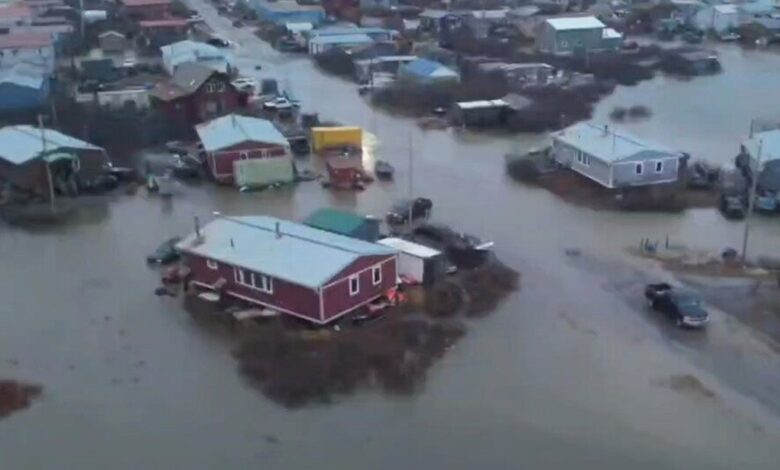
Alaska was hit hard by the remnants of Typhoon Halong, with three people missing and over 50 rescued. The storm brought hurricane-force winds and devastating floodwaters that swept away homes in western Alaska. The U.S. Coast Guard described the situation in Kipnuk and Kwigillingok as “absolute devastation.”
In New York City, severe weather claimed the life of a woman struck by a solar panel, leading to the cancellation of the Columbus Day Parade. Rescuers in Phoenix found the body of a man whose truck was swept away by floodwaters, while crews in southern California prepared for potential mudslides in fire-ravaged areas.
Alaska State Troopers reported that at least 51 people and two dogs were rescued in Kipnuk and Kwigillingok, with significant storm surges affecting both communities. Three people were still missing in Kwigillingok, and reports of missing individuals in Kipnuk were being investigated.
Residents in impacted areas faced challenges such as power outages, lack of running water, and damage to essential infrastructure like home-heating stoves. The aftermath of the storm left many communities vulnerable as winter approached.
In response to the disaster, Alaska’s U.S. senators emphasized the need for climate resilience and infrastructure funds to support affected communities. With the frequency and intensity of storms increasing, the delegation stressed the importance of mitigating disaster risks and protecting vulnerable regions.
California crews were on high alert for potential mudslides in wildfire burn areas as a major storm approached. A flood watch was issued for Southern California, with significant rainfall expected, while parts of the Sierra Nevada braced for heavy snowfall.
The impacts of climate change continue to pose threats to communities in Alaska, with erosion and melting permafrost endangering infrastructure and livelihoods. Efforts to address these challenges are ongoing, with a focus on relocation and resilience measures to protect vulnerable populations.
Overall, the recent natural disasters underscore the urgent need for preparedness, support, and long-term solutions to mitigate the effects of extreme weather events on communities across the U.S.