3 reasons your grocery bill is getting more expensive
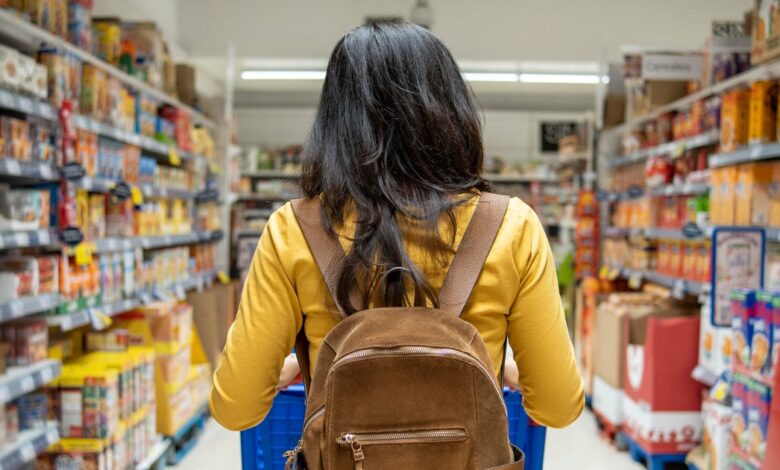
Americans’ grocery bills are on the rise, leading some shoppers to cut back on discretionary spending as they struggle to afford the basics. The cost of food has increased by half a percent from July to August, the fastest monthly rate of change since the fall of 2022. Experts attribute the rising prices to three main factors: the Trump administration’s wide-ranging tariffs, climate change, and a shortage of agricultural workers in the U.S.
According to Phil Lempert, a food industry analyst known as the “Supermarket Guru,” price hikes have been steepest on goods imported from countries facing higher levies. For example, the U.S. imports about 35% of its coffee from Brazil, which is taxed at a rate of 50%. As a result, coffee prices rose by 21% in August compared to a year ago.
Companies are passing on their increased costs to consumers by raising prices on products, even before tariffs are fully implemented. Some businesses have resorted to “shrinkflation,” offering consumers less product for the same amount of money to disguise price hikes.
Climate change has also played a role in the rising cost of food. Shifts in weather patterns and increasing temperatures have made it difficult to grow certain fruits and vegetables in the U.S., leading to a shift in production to Central and Latin America.
Additionally, the Trump administration’s immigration policies and raids on workplaces employing immigrants, combined with a waning interest in agricultural work, have created a labor shortage in the industry. Consumers are responding to higher prices by seeking deals, opting for store brand goods over name brands, and buying in bulk at shopping clubs like Costco.
Lempert advises consumers to plan ahead and avoid wasting food to save money. He emphasizes the importance of using leftovers, freezing meals, and being mindful of food waste, as 40% of all food in the country is wasted.
In conclusion, the rising cost of groceries is a complex issue influenced by tariffs, climate change, and labor shortages. By being mindful of their spending habits and making strategic choices, consumers can navigate these challenges and stretch their food budget further.