3 Ways Motorcycle Insurance Differs From Car Coverage (and Why That Matters)
When it comes to insuring your first motorcycle, you may find some similarities to insuring a car, but there are also significant differences to consider. Just like with car insurance, most states require motorcycle insurance, with the exception of New Hampshire and Florida. However, the coverage for motorcycles can vary greatly from that of a car.
One key difference is the cost of insurance. Generally, it is cheaper to insure a motorcycle than a car due to the lower risk of causing damage to others or their property. Additionally, motorcycles are typically less expensive than cars, which also helps keep premiums down.
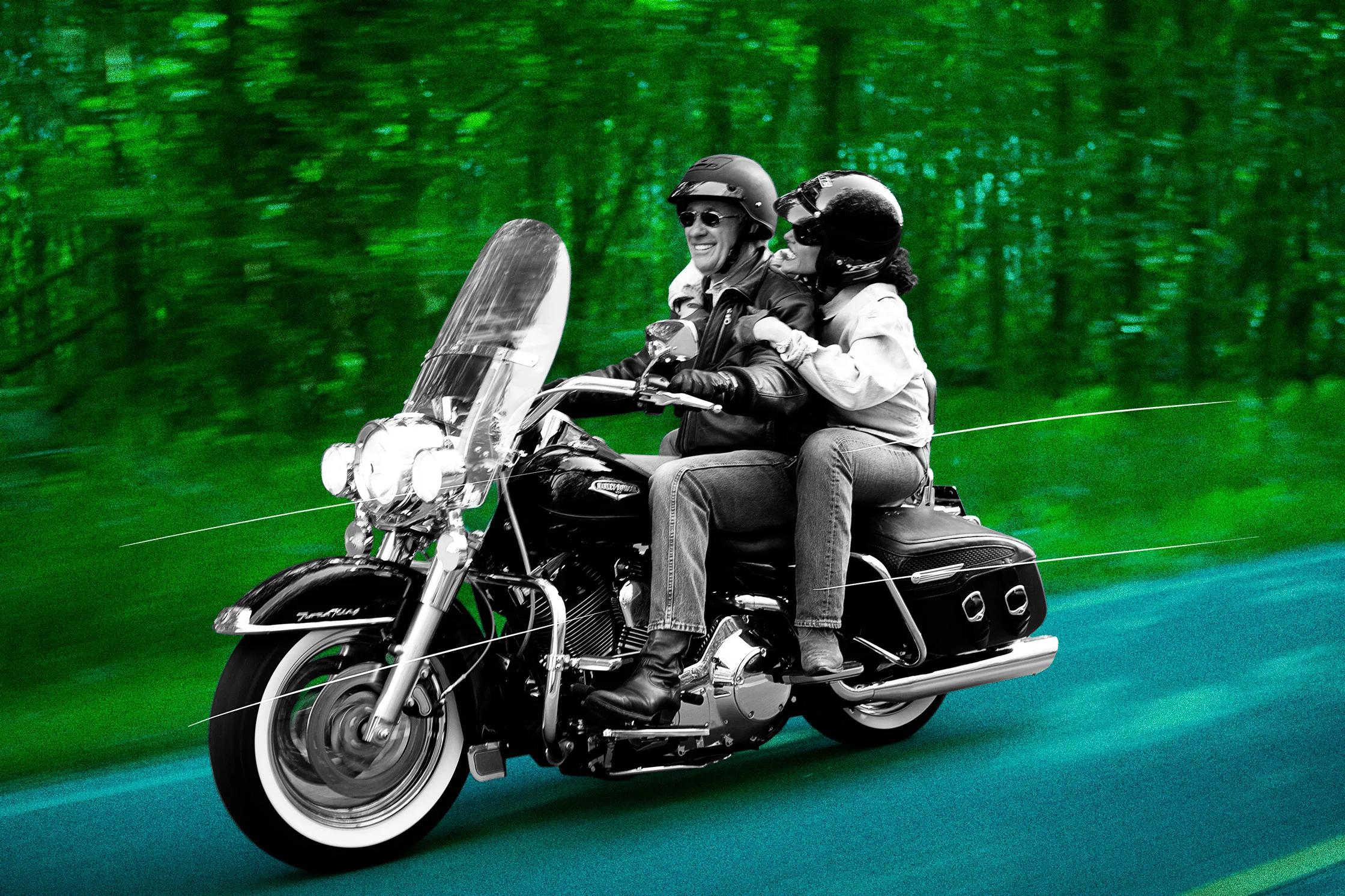
Another important factor to consider is passenger coverage. While car insurance usually includes bodily injury liability coverage for passengers, this is not always the case with motorcycle insurance. You may need to purchase additional coverage, such as personal injury protection (PIP) or medical payments coverage, to ensure that your passengers are protected in the event of an accident.
Accessories coverage is another important consideration for motorcycle insurance. Many riders choose to customize their bikes with aftermarket parts, and it’s important to make sure that these additions are covered under your policy. If not, you may need to purchase additional custom parts or equipment (CPE) coverage to protect your investment.
In addition to accessories, you should also consider coverage for your motorcycle helmet. High-end helmets can be expensive to replace, so it’s important to make sure that they are covered under your policy in case of theft or damage.
Overall, insuring a motorcycle is similar to insuring a car in some ways, but there are key differences to be aware of. By understanding these differences and making sure you have the right coverage, you can enjoy the freedom of the open road on two wheels with peace of mind.