3 Ways Smart Home Devices Can Save You Money
Smart Ways a Smart Home Can Save You Money
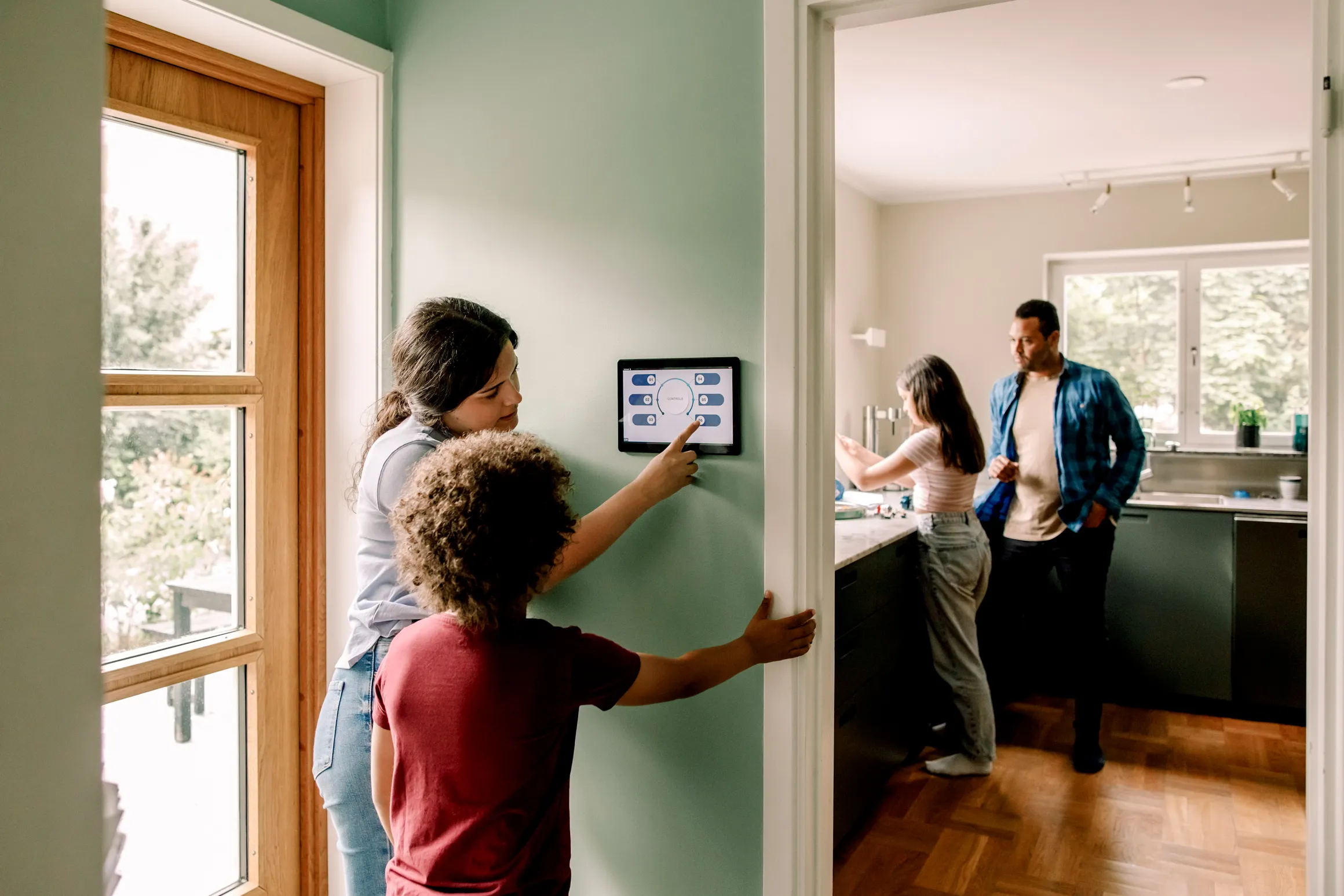
America’s homes are becoming increasingly “smart” with the integration of technology like thermostats that adjust to your schedule, lights that turn off when no one is in the room, and front-door cameras that recognize residents. According to data from Coolest Gadgets, about 75% of U.S. homes had at least one smart device in 2024, with this number expected to rise to 90% by 2029.
Aside from the convenience these devices offer, a smart home can also lead to significant cost savings. By investing in technology-forward solutions, homeowners can see a noticeable reduction in their energy bills, prevent expensive repairs in the future, and even qualify for lower homeowners insurance rates.
1. Increased Energy Efficiency
Smart devices have the ability to automate tasks that you may forget to do or simply can’t do because you’re not at home. These automatic adjustments can lead to lower monthly energy bills, potentially offsetting the initial cost of the devices themselves.
– Smart Thermostats: These devices can adjust the temperature based on your schedule, saving energy when you’re not home and ensuring comfort when you return. By investing in a smart thermostat, you can expect to save an average of 8% on heating costs and 10% on cooling costs. Some utility companies even offer rebates for purchasing these devices.
– Smart Light Bulbs: Programmable smart light bulbs can follow a schedule based on your routine, using energy-efficient LED technology to reduce consumption. While they may cost more upfront, the savings can add up over time.
– Smart Plugs and Power Strips: These devices allow you to remotely control and automate electronics, leading to potential energy savings of up to 50%. While they may cost more than standard models, the long-term benefits outweigh the initial investment.
– Smart Appliances: Newer appliances can be set to run during off-peak energy hours, resulting in savings of 2-9% compared to regular models. Some smart appliances can even optimize their energy use based on real-time data.
2. Savings from Prevention
Smart home technology also includes detection devices that can warn you of potential threats, such as fires, leaks, or burglaries. By detecting these dangers early on, homeowners can prevent costly damages and repairs.
– Smart Smoke Alarms: Connected smoke alarms can send alerts to your smartphone and offer additional features for added convenience. While they may cost more than traditional alarms, the benefits of early detection make them a worthwhile investment.
– Leak Detectors: These devices monitor for water leaks and can alert you or shut off the water supply in case of a potential issue. While prices vary depending on capabilities, the potential savings from preventing water damage are substantial.
– Smart Security Devices: From video doorbells to full security systems, smart home security can help protect your property and provide peace of mind. While costs may vary, the benefits of added security are invaluable.
3. Insurance Discounts
Many homeowners insurance providers offer discounts for using smart home devices that reduce the risk of claims. By investing in certified devices and having them professionally installed, homeowners can qualify for reduced premiums and potential rebates on equipment costs.
In conclusion, a smart home can not only make your life more convenient but also save you money in the long run. By investing in energy-efficient devices, preventative technology, and security solutions, homeowners can enjoy lower bills, reduced risks, and potential insurance savings. Consider integrating smart technology into your home to reap the benefits of a more efficient and cost-effective living space.