4 Things My Next Phone Needs Instead Of New AI Features
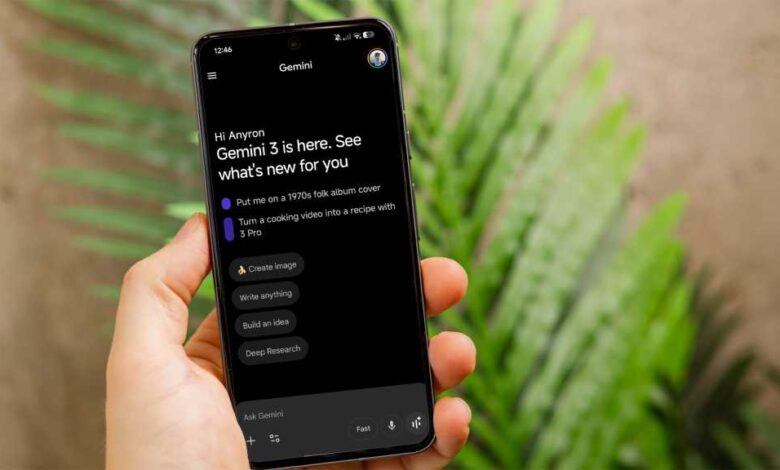
The era of AI in smartphones has brought about both convenience and frustration for users. While AI technology has undoubtedly made our lives easier in many ways, it seems that manufacturers have become overly reliant on it, neglecting important hardware improvements that could truly enhance our daily experiences with our devices.
One key area where improvements are sorely needed is in charging technology. While fast charging has become more common, there is still room for growth. Brands like OnePlus and Xiaomi have pushed the boundaries with their fast charging standards, offering up to 100W charging speeds. This not only saves time but also eliminates the need to constantly monitor battery levels. Faster charging technology should be a priority for manufacturers, as it has a direct impact on user experience.
Another crucial aspect that needs attention is battery life. Despite advancements in battery technology, many flagship phones still struggle to last a full day on a single charge. Phones like the Oppo Find X9 Pro and Xiaomi 17 Pro Max have set a new standard with their 7,500 mAh batteries, providing users with nearly two days of usage on a single charge. It’s time for other manufacturers to follow suit and prioritize larger battery capacities to meet the demands of modern smartphone users.
Seamless integration between smartphones and PCs is another area that requires improvement. While Apple has mastered this with its ecosystem, Android and Windows still lag behind. Samsung’s DeX and Microsoft’s Phone Link show promise, but the experience is often inconsistent and limited to specific devices. A universal standard for phone-laptop integration would greatly enhance user productivity and convenience.
Haptic feedback is often an overlooked feature in smartphones, but it plays a significant role in user experience. Many Android phones still struggle to deliver quality haptic feedback, resulting in a less responsive and immersive experience. Improving haptic feedback can make interactions more tactile and enhance accessibility for users.
In conclusion, while AI features have their place in smartphones, manufacturers should not neglect the importance of basic hardware improvements. Fast charging, larger batteries, seamless PC integration, and quality haptics may not be as flashy as AI gimmicks, but they are the features that truly enhance the day-to-day usability of our devices. It’s time for manufacturers to focus on what actually matters and prioritize these essential improvements for a better smartphone experience.