5 Areas of Your Home to Renovate Before Retiring
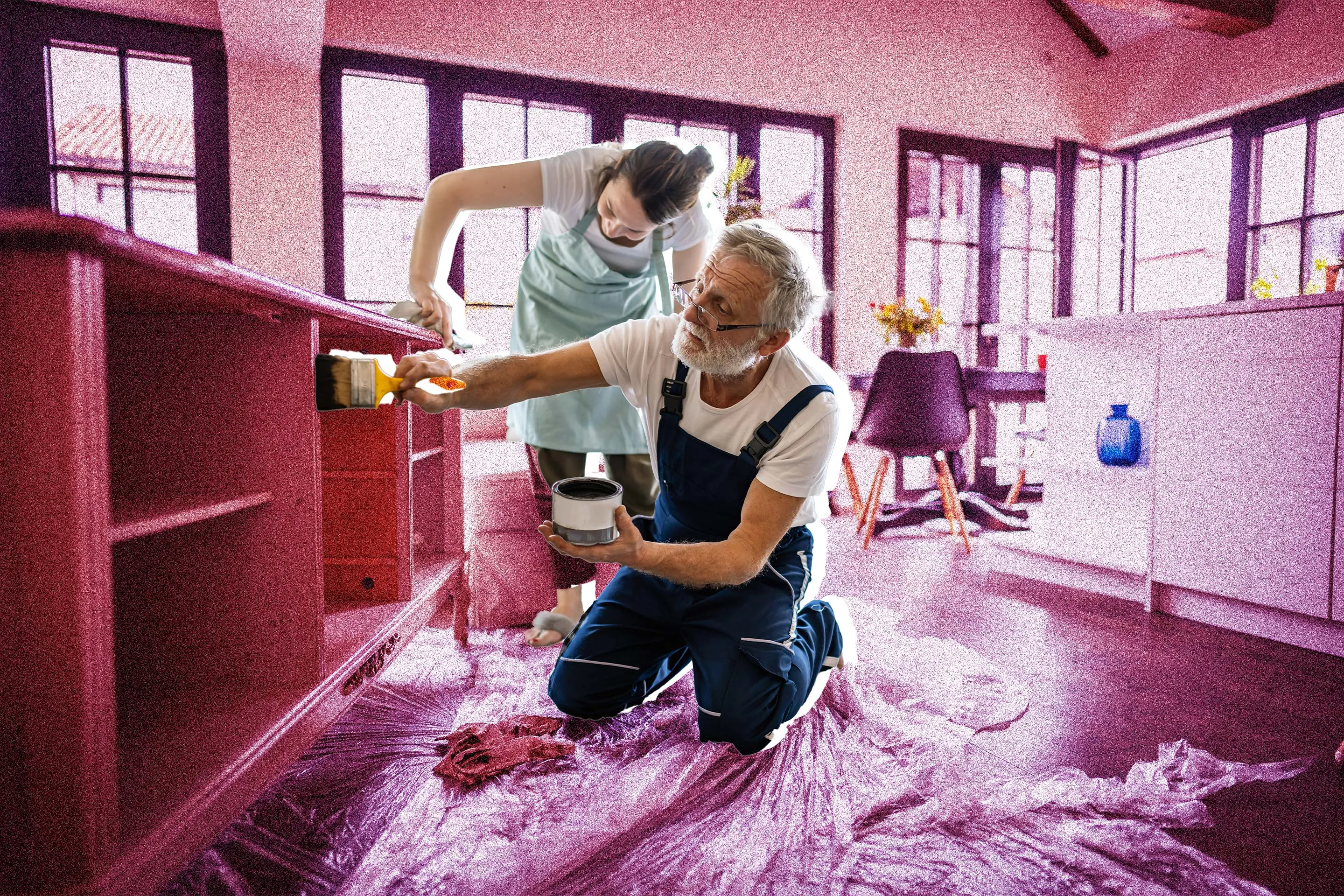
Retiring and aging in place can be a dream for many seniors, but it often comes with challenges related to mobility and home accessibility. According to a study, about 2 in 5 adults over 65 have mobility issues or disabilities, yet only 4% of homes in the U.S. are built to accommodate aging adults. This discrepancy highlights the need for key upgrades to make homes more accessible for retirees who wish to age in place.
One of the first areas to consider updating is the bathroom. Falls are common in bathrooms, so it’s essential to make this space safer and more functional. Installing curbless or threshold-free shower stalls, grab bars, handheld shower nozzles, and faucet lever handles can significantly improve accessibility. Adding a bench in the shower can also make bathing easier for those with mobility issues.
The kitchen is another important area to focus on. Incorporating features like rollout trays, lazy Susans, glass-front cabinet doors, and pull-down shelves can make preparing food more manageable for seniors. Lowering kitchen countertops and installing ergonomic rocker light switches can also enhance accessibility in the kitchen.
Entryways and hallways should be wide enough to accommodate wheelchairs or walkers. Installing ramps or angled entry plates can make entering and exiting the house easier for those with mobility aids. Flooring should be non-affixed to prevent tripping hazards, and areas with changes in floor level should be equipped with angled mats or small ramps.
For multi-story homes, consider moving essential living areas to the first floor to avoid the need for stairs. Alternatively, installing an electric stair lift or a residential elevator can provide access to upper levels for those with mobility issues. The cost of these renovations can vary depending on the age of the home and the scope of the project.
When planning for home updates for retirement, it’s essential to start early and leave room for potential future needs. Custom-built upgrades, input from professionals like occupational therapists and certified aging-in-place specialists, and financing options like home equity loans or grants can help make home renovations more manageable for retirees.
In conclusion, making key upgrades to improve home accessibility can enhance the quality of life for retirees who wish to age in place. By focusing on areas like the bathroom, kitchen, entryways, flooring, and layout, seniors can create a safer and more functional living environment for their retirement years.