5 Takeaways From This Week’s J.P. Morgan Healthcare Conference

The JP Morgan 2026 conference recently took place in San Francisco, marking a significant moment for the healthcare industry. After facing a challenging period known as the “biotech winter,” characterized by a tough IPO environment and decreased dealmaking, industry experts are now optimistic about a potential reset in the sector.
Last year began on a positive note but was marred by geopolitical uncertainties and slower dealmaking in the first half. However, the industry saw a resurgence in the second half, with several deals exceeding $10 billion, as reported by Fierce Biotech. This momentum has positioned the industry for continued growth, with large pharmaceutical companies like Bayer actively seeking opportunities to acquire or partner with biotech firms and license new drug candidates. Additionally, favorable capital markets and potentially lower interest rates are expected to support investments in the sector. The XBI index of U.S. biotech stocks has also shown a 40% increase since the previous year.
This renewed optimism in the industry is expected to benefit both companies and patients, as increased dealmaking can lead to the development of innovative medicines that may eventually reach consumers. Here are five trends to watch closely in the healthcare sector this year:
1. The Surge in Dealmaking and M&A Activity
Anticipate more and larger deals this year, with major pharmaceutical companies focusing on acquiring top-tier assets for further development and commercialization. According to Nicholas Donoghoe, Chief Business and Strategy Officer at Abbvie, the industry is currently experiencing a “renaissance moment” due to the availability of attractive assets and emerging modalities that were not previously on the horizon.
2. China’s Rising Influence
China has emerged as a key player in the biotech industry, with a growing focus on developing novel assets across various therapeutic areas. The country’s favorable policy environment and efficient clinical trial processes have attracted Western companies to collaborate with Chinese counterparts. The increasing number of partnerships between Western pharmas and Chinese firms highlights China’s growing influence in the global biotech landscape.
3. The Effects of AI on Drug Discovery
The integration of AI in drug discovery continues to evolve, with collaborations like the one between Nvidia and Eli Lilly investing in AI-powered solutions for drug development. While AI plays a crucial role in identifying novel targets and streamlining clinical trials, human oversight remains essential for ensuring safety in the drug development process.
4. Global Market Dynamics
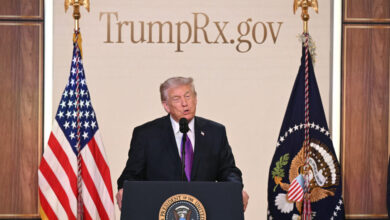
Differences in drug pricing between the U.S. and other developed nations pose challenges for pharmaceutical companies. President Trump’s negotiations with companies to lower drug prices in the U.S. have implications for market dynamics globally, particularly in Europe where access to innovative medicines may be delayed due to pricing negotiations.
5. Emerging New Modalities
Exciting developments in new therapeutic modalities, such as siRNA and xenotransplantation, hold promise for improving patient outcomes across various diseases. Advances in cell therapies for autoimmune diseases and the potential of cell and gene therapies in neurodegenerative disorders offer hope for transforming patient care in the future.
As the industry continues to evolve, the outlook for emerging medicines looks promising. Stay tuned for updates on the transformative opportunities that could revolutionize healthcare and benefit millions of patients. Thank you to Kira Peikoff for additional research and reporting on this article.