50 Cent, Diddy Netflix Doc Director on Obtaining Private Video, Diddy’s Future
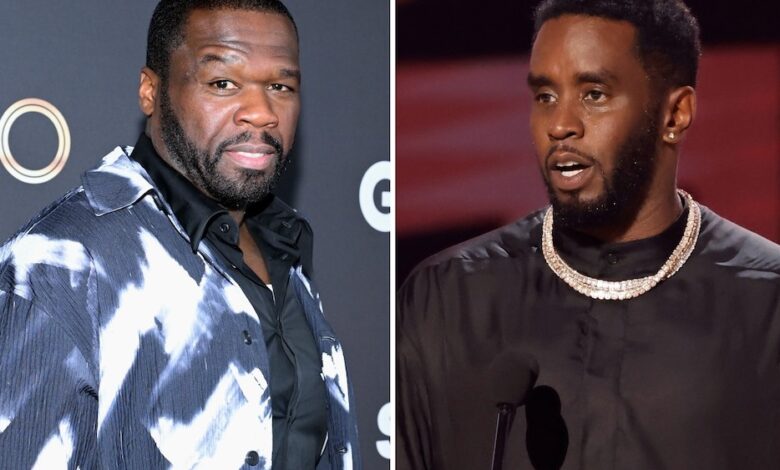
What do you think will happen after Diddy serves his sentence?
Stapleton: I think there’s a big question mark over that. I think we have to watch and see. I think he’s still got a lot of power. I think he’s still got a lot of control. And I think that the question is, will he want to come back into the industry or will he want to step back and just do something else entirely?
Jackson: I think he will want to come back. It’s just whether or not the industry will want him back. That’s the real question.
As the docuseries “Sean Combs: The Reckoning” continues to gain attention, it sheds light on the darker side of the music industry and the power dynamics at play. It serves as a cautionary tale for those who may be swept up in the allure of fame and fortune, reminding us that even the most powerful figures can fall from grace. The series is a stark reminder of the importance of holding individuals accountable for their actions, no matter how influential they may be. It is a powerful and thought-provoking look at the complexities of fame, power, and the consequences of unchecked ambition.
In a recent documentary about Sean Combs, also known as Diddy, there were claims made against him that he was overcharged for the crimes he was accused of. The documentary shed light on the legal battles that Diddy faced and the high costs associated with defending himself in court.
One of the key points made in the documentary was that Diddy did not file for bankruptcy right away, despite the financial strain of his legal fees. This decision was likely due to the fact that the legal system can be incredibly expensive, especially when facing charges as serious as those brought against him. With eight attorneys working on his case, the costs quickly added up, leaving Diddy with little to no money left once the case was resolved.
The documentary also touched on the emotional toll that the legal battle took on Diddy, particularly when his lawyers convinced him that he would be coming home on a certain date. Diddy had already made plans for speaking engagements and other activities, only to find out that he would not be released as soon as he had hoped. This led to tears and a sense of betrayal, as Diddy realized the gravity of his situation.
The documentary also featured interviews with individuals who had made claims against Diddy, such as Aubrey O’Day and Dawn Richard. These interviews provided a platform for these individuals to share their stories and shed light on the complexities of sexual assault cases.
Despite some speculation that the documentary was produced as a result of ongoing beef between Diddy and 50 Cent, the filmmakers maintained that their goal was to uncover the truth and provide a platform for those who felt they had been wronged. The documentary did not aim to expose celebrities or engage in sensationalism, but rather to give a voice to those who had been impacted by Diddy’s actions.
Overall, the documentary highlighted the high costs and emotional toll of defending oneself against serious charges, as well as the complexities of sexual assault cases. It provided a platform for survivors to share their stories and shed light on a difficult and often misunderstood issue. After the recent release of the documentary series “Sean Combs: The Reckoning,” it seems like there is still more to be uncovered about the life and career of the music mogul. In a recent interview, the creators of the documentary, 50 and Stapleton, hinted that there could be more to the story after Sean Combs is released from prison.
According to Stapleton, the documentary feels like the end of a chapter rather than the end of the story. He expressed interest in potentially exploring more about Sean Combs’ life and career after his release. 50 also agreed that there is still a lot more to uncover, especially since they were not able to interview Sean Combs himself for the documentary.
When asked about what they missed in the documentary, 50 mentioned the impact of the legal charges on Sean Combs’ associates and the changes in their loyalty due to financial implications. He also speculated on Sean Combs’ future in the music industry, suggesting that he could still produce artists behind the scenes.
However, 50 also acknowledged that Sean Combs’ public image may have been tarnished by the legal troubles, making it difficult for him to continue as a visible brand in the music industry. Despite this, he believes that new artists may still be willing to work with him in the studio.
In a hypothetical scenario where they could interview Sean Combs, both 50 and Stapleton had different questions in mind. 50’s question focused on whether it was worth it for Sean Combs, while Stapleton wanted to delve deeper into his past and the roles of key figures in his life.
Stapleton highlighted a recurring theme in the documentary about excusing behaviors of powerful individuals, urging viewers to reflect on society’s tendency to make excuses for those in positions of power. He emphasized the importance of holding idolized figures accountable for their actions.
In terms of personal growth during the documentary process, 50 expressed how he realized his differences from the individuals portrayed in the documentary, particularly in his views on consent and respect for women. Stapleton also shared her experience, emphasizing the importance of female representation in filmmaking.
Overall, it seems like there is still more to be uncovered about Sean Combs’ story, and both 50 and Stapleton are open to exploring further in future projects. The documentary series has sparked important conversations about power dynamics, accountability, and representation in the music industry. The world of technology is constantly evolving, with new innovations and advancements being made every day. One of the most exciting developments in recent years is the rise of artificial intelligence (AI). AI is changing the way we live and work, and its impact is being felt across industries.
One area where AI is making a big impact is in the field of healthcare. The use of AI in healthcare is revolutionizing the way medical professionals diagnose and treat patients. AI algorithms are being used to analyze medical images, such as X-rays and MRIs, to help doctors detect diseases and conditions more accurately and quickly. This can lead to earlier diagnosis and treatment, ultimately saving lives.
AI is also being used to personalize treatment plans for patients. By analyzing a patient’s medical history, genetics, and other factors, AI algorithms can recommend the most effective treatment options for that individual. This personalized approach can lead to better outcomes for patients and reduce the likelihood of adverse reactions to medications.
Another way AI is changing healthcare is through the use of chatbots and virtual assistants. These AI-powered tools can provide patients with information about their symptoms, help them schedule appointments, and even assist with medication management. This can help patients access the care they need more easily and quickly, leading to improved health outcomes.
In addition to patient care, AI is also being used to streamline administrative tasks in healthcare. AI-powered software can help hospitals and clinics automate processes such as billing, scheduling, and record-keeping, freeing up staff to focus on providing care to patients. This can lead to cost savings and increased efficiency in healthcare organizations.
Despite the many benefits of AI in healthcare, there are also challenges and concerns that come with its use. One major concern is the potential for bias in AI algorithms, which could lead to unequal treatment of patients. It is important for developers and healthcare providers to ensure that AI systems are unbiased and adhere to ethical standards.
Overall, the use of AI in healthcare holds great promise for improving patient outcomes, increasing efficiency, and reducing costs. As technology continues to advance, we can expect to see even more exciting developments in the field of healthcare AI in the years to come.