£6.6bn in old UK notes and coins not cashed in
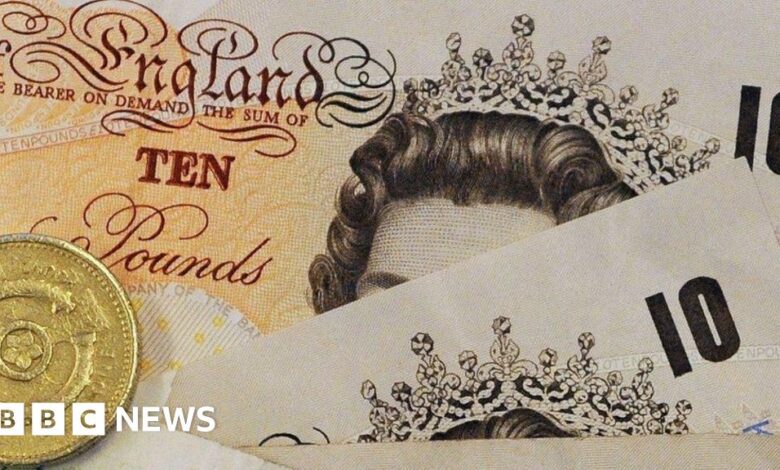
The UK is still holding on to about £6.6 billion in old banknotes that have not been cashed in, even though the paper £20 and £50 notes stopped being legal tender in October 2022. Over the last year, approximately £600 million in old notes has been returned, with the Bank of England confirming that withdrawn banknotes can still be deposited or exchanged.
In addition to the old paper banknotes, there are also approximately 70 million old style £1 coins that have not been returned, according to the Royal Mint. However, around six million of these coins have been returned over the past year. Out of the 1.6 billion old £1 coins that have been returned, about 1.8 million were found to be counterfeit.
The Royal Mint also revealed that over 2.6 million old coins of eight other denominations have been returned over the last decade. These include the halfcrown, florin, shilling, sixpence, threepence, penny, pre-decimal halfpenny, and decimal halfpenny. These coins ceased to be legal tender on various dates ranging from 1969 to 1993.
The latest addition to the Bank of England’s collection of currently-printed banknotes is the polymer £50 note featuring the portrait of Alan Turing, which entered circulation in June 2021. All withdrawn banknotes retain their face value, and there is no expiry date for exchanging them. Old notes can be returned to some banks, post offices, or directly to the Bank of England in London.
Despite the decline in cash usage during the pandemic, cash still accounts for 12% of all payments in the UK, making it the second most popular payment method after debit cards. The shift towards digital payments has contributed to the decrease in the use of notes and coins, but there is still a significant amount of old cash circulating in the UK.