6 Winter Storm Safety Tips To Help Avoid An ER Visit, From A Doctor
Winter Storm Safety Tips to Avoid ER Visits
As a big storm approaches this weekend, it’s essential to be prepared and follow basic winter storm safety tips to keep yourself and your loved ones safe. Extreme cold warnings are in effect in various parts of the country, including Chicago, Wisconsin, Michigan, and Iowa. While ERs may be quiet during the storm, there is often a surge of patients in the hours and days following the storm, many of which are preventable.
1. Carbon Monoxide Poisoning Awareness:
When the power goes out during a storm, the risk of carbon monoxide poisoning increases. Generators, grills, and other heat sources should never be used indoors as they can produce deadly carbon monoxide gas. Symptoms of carbon monoxide exposure include fatigue, dizziness, headache, and nausea. It’s crucial to have working carbon monoxide detectors in your home and keep generators outside, away from doors and windows.
2. Shoveling Snow Safely:
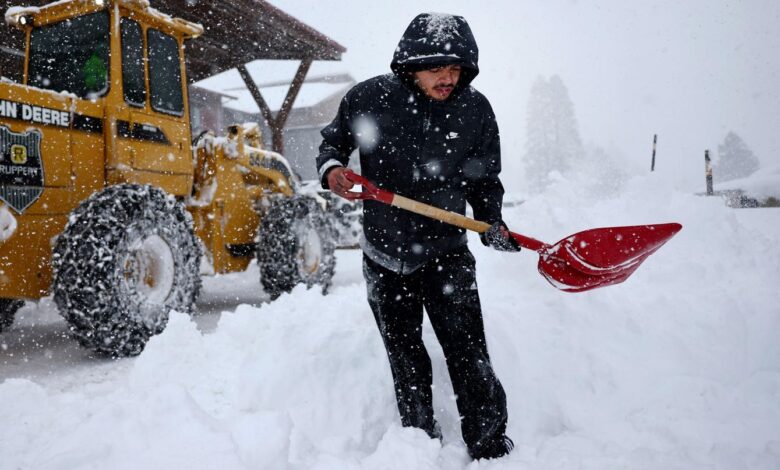
Shoveling snow may seem like a harmless chore, but it can actually be a strenuous activity that puts a significant strain on the heart. Every year, thousands of people end up in the ER due to shoveling-related injuries, with cardiac events being a major concern. If you must shovel snow, pace yourself, take frequent breaks, and lift small amounts of snow at a time. Stop immediately if you experience chest pressure, shortness of breath, nausea, or pain spreading to your arm or jaw.
3. Watch Out for Ice:
After a snowstorm, ice on the ground can be a major hazard, leading to slip and fall injuries. Walking cautiously, like a penguin, with short steps and feet slightly apart can help prevent falls. Older adults are particularly vulnerable to fall-related injuries, so it’s essential to clear paths and driveways to prevent accidents.
4. Driving Safety:
Driving on icy roads can be extremely dangerous, with black ice forming after a storm causing numerous accidents and fatalities each year. If possible, avoid driving on icy roads until they have been cleared. If you must drive, slow down, maintain a safe following distance, and be prepared with a winter emergency kit in your vehicle.
5. Cold-Related Injuries:
Hypothermia and frostbite are serious cold-related injuries that can occur during and after a winter storm. Symptoms of frostbite range from numbness and tingling to severe tissue damage. Hypothermia can lead to confusion, slurred speech, and drowsiness. It’s important not to ignore these symptoms and seek medical attention if needed.
6. Check on Vulnerable Individuals:
During a winter storm, it’s crucial to check on older neighbors, individuals living alone, and those without reliable heat or power. Marginalized communities are often hit hardest by storm hazards, so reaching out to offer assistance can make a significant difference. Simple acts of checking in on someone’s well-being can save lives.
By following these winter storm safety tips and looking out for each other, we can reduce the risk of ER visits and stay safe during and after a storm. Stay prepared, stay safe, and take care of yourself and those around you.