8 Proven Use Cases and Real-Life Examples
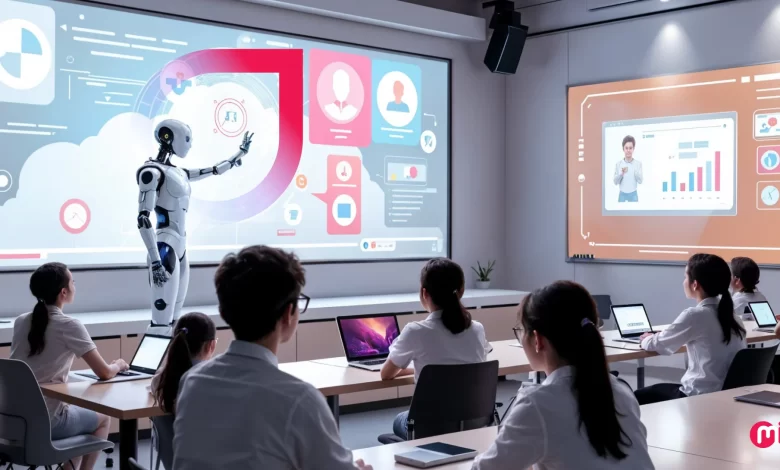
AI in education is revolutionizing the way students learn and educators teach. With multiple use cases like personalized learning, automated assessment, efficient administration, ongoing assistance, and more, AI is reshaping the educational landscape. Let’s delve into the top 8 use cases of AI in education, real-life examples, and key benefits to understand how AI can enhance educational institutions.
As technology advances, the education sector is leveraging AI to create smarter classrooms that enhance the learning experience for both students and teachers. Platforms like Coursera, Duolingo, and AltSchool exemplify how AI is transforming traditional teaching methods and student learning experiences. These platforms simplify education, making it more convenient and aligning it with the needs of modern educators and learners.
Many schools, universities, and institutions are adopting AI-powered solutions like intelligent tutoring systems, chatbots, and learning analytics to optimize teaching methods and engage students better. However, understanding the top 8 AI in education use cases is crucial for institutions to choose the right AI solutions that suit their needs.
Why AI in Education is Important
AI in education has been evolving since the introduction of systems like Stanford’s PLATO in 1965. However, its mainstream adoption in eLearning gained momentum in the late 2000s and accelerated post-COVID-19 with the widespread use of digital learning tools and cloud-based AI solutions. With advancements in Natural Language Processing (NLP) and computer vision, AI applications now extend to adaptive learning, personalized content delivery, and automated assessments.
Differences Between Traditional And AI-Powered Classrooms
Before exploring the use cases of AI in education, it’s essential to understand the differences between traditional education and AI-enabled learning. The table below highlights these distinctions:
- Teaching Method: Teacher-centered vs. Student-centered
- Learning Customization: Limited vs. Highly customized
- Learning Pace: Fixed pace vs. Adaptive to individual pace
- Feedback & Assessment: Manual grading vs. Automated grading
- Resource Accessibility: Limited access vs. Extensive online resources
- Engagement: Varies based on teacher vs. Improved engagement through interactivity
- Data Analysis: Limited vs. Advanced data analysis
- Accessibility & Flexibility: Physical presence needed vs. Remote and flexible learning options
- Cost: Lower cost vs. Expensive due to technological implementation
8 Top Use Cases of AI in Education
- AI-Powered Administrative Workflows: Automation of administrative tasks like grading, organizing papers, and curriculum planning.
- Automated Assessment and Grading: Streamlining tasks and providing quick, objective feedback to students.
- Learning Personalization: Customizing learning pathways, content, and pacing based on individual student needs.
- Learning Outcomes Prediction: Identifying at-risk students and offering timely interventions.
- Assistance for Needy Students: Supporting students with disabilities or learning challenges through intelligent tools.
- Resource Planning Software: Managing and streamlining administrative and academic functions.
- Curriculum Design Solutions: Designing curricula based on educational data and trends.
- Ongoing Assistance During Learning: Providing 24/7 access to study materials and guidance through AI chatbots.
Real-Life Examples of AI in Education
- Duolingo: Personalizing language learning and improving learner retention.
- IBM Watson Education: Providing tailored resources and virtual tutoring to improve student outcomes.
- Coursera: Offering personalized course recommendations based on user behavior.
- AltSchool: Designing personalized curricula to increase student engagement.
- Quizlet: Using adaptive learning techniques to create customized study plans.
Benefits of AI in Education
AI in education offers benefits like efficient administrative task management, personalized learning at scale, 24/7 support, data-driven insights, continuous curriculum improvement, and more. It enhances student engagement, optimizes resource allocation, and enables continuous improvement of curriculum design.Bring AI to Your Classrooms with MindInventory
As a leading AI development company, Mindinventory offers education software development services tailored to the unique needs of educators. Whether you need custom EdTech development, integration with existing digital ecosystems, or modernization of outdated education software, Mindinventory can provide the expertise and solutions you require. Contact us to bring AI-powered educational software to your institution and enhance the learning experience for students and teachers.FAQs:
- How is AI transforming traditional classroom learning?
AI is automating administrative tasks, tailoring education, and enhancing student engagement to improve understanding and retention. - Can AI replace teachers in the future?
AI can significantly enhance the learning experience but won’t fully replace teachers due to the human element of teaching. - How can educational institutions integrate AI into their curriculum?
Schools can start by adding AI topics to lessons, using AI-powered tools, and training teachers to use them effectively. - What are the challenges of AI in education?
Challenges include security, data privacy, algorithm bias, over-reliance on technology, accessibility issues, ethical concerns, and potential dehumanization of the learning experience.