Kennedy to deny access to some health services for undocumented people

The Trump administration has recently announced a significant policy change that will further restrict undocumented immigrants’ access to federally funded programs, including health care clinics, early childhood education, and nutritional support. This decision, set to take effect on July 14, has sparked fear among immigrant communities and advocates alike.
The move is expected to have far-reaching consequences, affecting not only undocumented individuals but also their children, many of whom are legal citizens by birth. Even immigrants authorized to be in the country, such as refugees, asylees, and DACA recipients, may feel the impact of this policy shift. The new rules could potentially disrupt access to basic health care services provided by federally funded clinics, leading to worse health outcomes for vulnerable populations.
Health policy experts have criticized the administration’s decision, calling it cruel and extreme. They argue that cutting off services to undocumented individuals will redirect funds towards U.S. citizens and qualified immigrants but could cost up to $175 million to implement. Health Secretary Robert F. Kennedy, Jr. defended the move as a way to restore integrity to federal social programs and protect vital resources for American citizens.
The new policy marks a departure from decades-long practices that allowed immigrants to access certain public benefits like school meals and community health centers regardless of their status. The administration’s reinterpretation of the term “federal public benefit” now includes a wider range of programs, potentially impacting mental health services, housing supports, and nutrition resources.
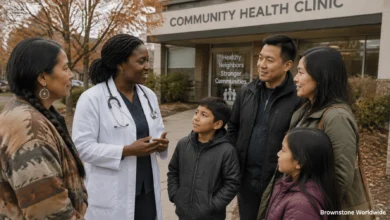
One of the most concerning aspects of the new policy is its impact on the Health Center Program, which supports thousands of community clinics across the country. Restricting services for undocumented immigrants could lead to clinics being unable to serve those patients or facing financial strain from unpaid services. While treatment for communicable diseases may be exempt from the rule, other essential services could be at risk.
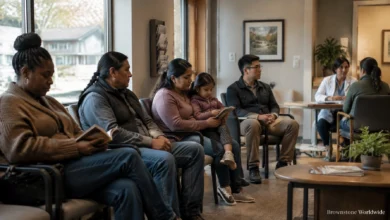
The crackdown on access to affordable preventive care may deter immigrants from seeking necessary medical attention, leading to increased emergency department visits and higher healthcare costs in the long run. Public health advocates worry that local clinics, especially in rural areas, may struggle to stay afloat under the new rules, potentially harming communities that rely on migrant labor.
As the policy change goes into effect, many questions remain unanswered, including the inclusion of federally qualified health centers in the guidelines. Providers are left to navigate the uncertainty and potential financial burdens of checking patients’ immigration status. States that provide health coverage to undocumented individuals may also face challenges due to impending Medicaid cuts and budget pressures.
Critics argue that the administration’s decision undermines efforts to improve the nation’s health and could lead to a spiral of reduced access to care for everyone. Legal challenges from blue state attorneys general are possible, but the financial resources needed to fight the federal government in court may deter some states from taking legal action.
Overall, the new policy represents a significant shift in federal immigration and healthcare policy, with implications for individuals, communities, and healthcare providers. The lack of public input in the decision-making process has raised concerns about transparency and accountability within the administration. It remains to be seen how the policy will be enforced and what impact it will have on the health and well-being of immigrant populations in the United States.