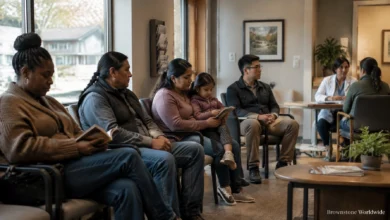
Digital Democracy May Be The Death Of Doctoring

Being a patient can be a challenging experience, especially when faced with conflicting diagnoses and treatment plans. I can personally attest to this, as I once received a diagnosis that left me feeling lost and betrayed, only to have it overturned by a second opinion that provided clarity and a path forward. This rollercoaster of emotions highlights the importance of having access to reliable information and guidance when navigating the complexities of the healthcare system.
In today’s digital age, patients have a wealth of resources at their fingertips, from search engines to online communities to AI chatbots like ChatGPT. These tools can provide valuable insights and support, helping patients make more informed decisions about their health. However, the proliferation of online information has also led to a decline in trust in healthcare professionals, with many patients turning to unsupervised technology for medical advice.
The traditional role of a doctor as a teacher has been overshadowed by the rise of digital platforms offering unregulated and often conflicting information. Patients now have unprecedented access to a wide range of sources, from social media influencers to AI chatbots, which can sometimes lead them down a dangerous path. While digital tools can be beneficial when paired with physician oversight, relying solely on online sources for medical advice can have serious consequences.
Doctors are now faced with the challenge of managing unrealistic expectations fueled by online narratives and misinformation. Patients may come to them with requests based on influencer recommendations or Google searches, expecting quick fixes or cosmetic enhancements that may not be medically sound. This places a heavy burden on healthcare providers to educate and counsel patients, even when faced with resistance or skepticism.
In the face of these challenges, it is crucial to remember the importance of human connection in healthcare. While digital tools can provide convenience and accessibility, they can never replace the expertise and compassion of a dedicated healthcare provider. Trusting a doctor with your health is a deeply personal and profound experience that transcends the noise of the digital world.
As we navigate the evolving landscape of healthcare in the digital era, we must strike a balance between leveraging technology for empowerment and maintaining the integrity of the doctor-patient relationship. Ultimately, the true essence of medicine lies in the human connection between patient and provider, a bond that cannot be replicated or replaced by algorithms or online platforms.