Consumer sentiment hits fresh record low in May as Iran war fuels inflation worries

Consumer sentiment has hit a new low in May, with fears of rising prices due to the U.S.-Iran conflict and high oil prices weighing on the minds of Americans. The University of Michigan’s Surveys of Consumers reported on Friday that the index of consumer sentiment dropped to 44.8, down from the preliminary reading of 48.2 and significantly below the 49.8 level recorded at the end of April.
Joanne Hsu, Director of Surveys of Consumers, noted that consumer sentiment has fallen for the third consecutive month, with concerns about supply disruptions in the Strait of Hormuz driving up gasoline prices. The current sentiment level is just below the previous historical low seen in June 2022, indicating deepening worries about inflationary pressures extending beyond fuel prices.
Inflation expectations for the year ahead rose to 4.8% in May, up from 4.7% in the previous month and significantly higher than the 3.4% reading in February before the conflict escalated. Long-term inflation expectations also increased to 3.9% from 3.5% in April, reflecting growing concerns about the lasting impact of elevated oil prices.
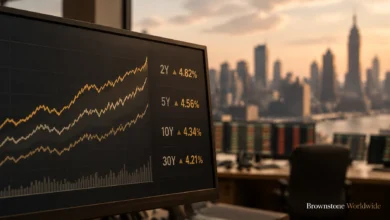
Global markets have experienced volatility as investors assess the duration of the conflict and the implications of sustained high oil prices. The 30-year Treasury bond yield reached its highest level since before the financial crisis, while the 10-year Treasury note yield climbed to levels not seen in over a year. The Federal Reserve has signaled a reluctance to lower rates in response to inflationary pressures.
Fed Governor Christopher Waller expressed concern about the upward movement in inflation expectations for the next one to five years, despite relatively low and stable longer-term expectations. The uncertainty surrounding the duration of the conflict and the potential for prolonged high oil prices have contributed to market volatility and increased inflationary pressures.
As the economic landscape continues to be shaped by geopolitical events and fluctuating oil prices, consumers and investors alike are bracing for potential long-term impacts on inflation and economic stability. The Federal Reserve’s response to these challenges will be closely watched as policymakers navigate the complex interplay of global events and domestic economic conditions.