U.S. completes Iran strikes after Apache helicopter attack

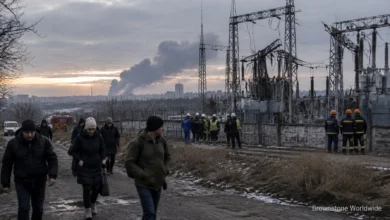
Motorists drive past an ADNOC Gas, a subsidiary of the Abu Dhabi National Oil Company facility in Abu Dhabi on March 3, 2026.
Ryan Lim | AFP | Getty Images
Oil prices saw volatility on Wednesday following the U.S. military strikes against Iran, sparking concerns about potential disruptions to shipping through the Strait of Hormuz.
U.S. crude oil futures for July delivery dipped 0.19% to $88.03 per barrel, retracting gains after an initial surge of over 1%. Meanwhile, Brent futures, the global benchmark, for August delivery, dropped 0.2% to $91.27 per barrel.
The U.S. military confirmed conducting strikes on Iranian military targets near the Strait of Hormuz.
In response to the downing of an American Army Apache helicopter, U.S. forces carried out strikes on Iran on Tuesday night, as reported by U.S. Central Command. The operation was described as a defensive and measured reaction to what was perceived as Iranian aggression.
President Donald Trump stated earlier on Tuesday that Iran had targeted a U.S. helicopter conducting patrols near the Strait of Hormuz, signaling a retaliatory response from the U.S.
“The two pilots involved in the attack are safe and uninjured,” Trump shared on Truth Social. “However, the United States must respond to this attack as a matter of necessity.”
Rystad Energy highlighted that the shutdown of 11.8 million barrels per day of production among six Gulf producers has led to the most severe oil supply disruption in recent history. The consultancy estimated cumulative production losses at 1 billion barrels and cautioned that each additional month of conflict could result in another 350 million barrels of output being compromised.