A Big Change to Social Security Is Coming This Fall — and It’s Probably for the Best
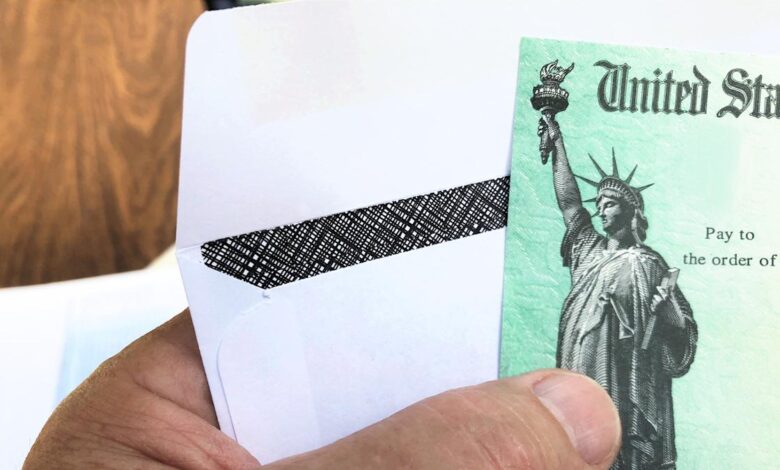
The Social Security Administration (SSA) recently made a significant announcement regarding changes to the program starting on September 30, 2025. However, beneficiaries need not worry as this change does not involve a reduction in benefits. Instead, the SSA will be transitioning to completely digital payments, discontinuing the issuance of paper checks. This move is primarily aimed at cutting costs for the government while streamlining the payment process for recipients.
Despite the magnitude of this transition from traditional methods to digital payments, only a small percentage of beneficiaries will be directly affected. According to the SSA, less than 1% of beneficiaries currently receive paper checks. However, with nearly 74 million Americans receiving Social Security benefits, this still translates to almost three-quarters of a million recipients.
To ensure a seamless transition and avoid any disruptions in payments, beneficiaries will need to switch to one of two electronic payment methods offered by the SSA. The first option is to enroll in direct deposit, which is a simple and widely used method. Alternatively, recipients can opt for a Direct Express® card, a prepaid debit card that is reloaded with benefits every month.
It is essential for beneficiaries to prepare for this change by familiarizing themselves with the process and requirements. The SSA has provided helpful answers to common questions that recipients may have regarding the transition. Importantly, electronic deposits do not necessarily require internet usage, offering flexibility for those who may be uncomfortable with online transactions.
Setting up electronic transfers can be done in four simple ways: by calling the Social Security Administration, setting it up online, visiting a local bank or credit union, or enrolling in the Direct Express® card. Working with a trusted family member or financial advisor can also be beneficial in managing the transition to electronic payments.
There are several advantages to using electronic payments, including enhanced security, reliability, convenience, and cost savings. Electronic deposits ensure that funds are received consistently on the same day each month, without the risk of delays or loss associated with paper checks. Additionally, the government stands to save significant expenses by transitioning to electronic transfers, as the cost per transaction is substantially lower than issuing paper checks.
In conclusion, the shift to digital payments by the SSA represents a positive step towards modernizing the Social Security program. By embracing electronic transfers, beneficiaries can expect a more secure, reliable, and convenient way to receive their benefits. This change is not only in line with technological advancements but also offers cost-saving benefits for the government.