A Complete Guide for Smart Cities
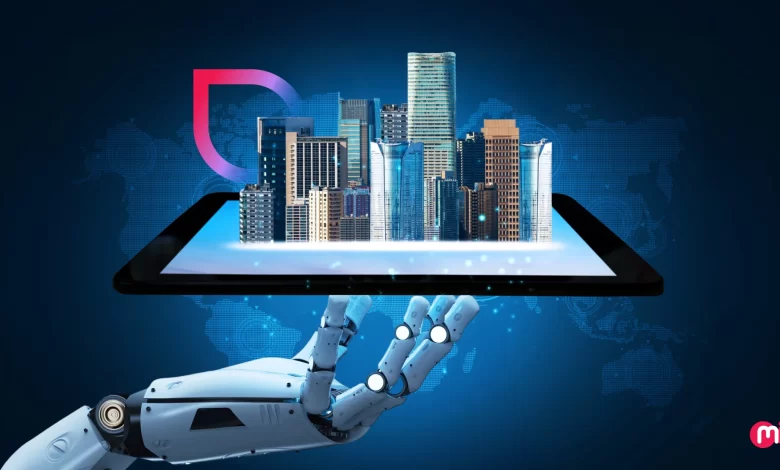
The AI in urban planning market is experiencing significant growth, with projections showing it will reach $13.60 billion by 2035, growing at a CAGR of 19.65% between 2025 and 2035. This growth is driven by the numerous benefits AI brings to urban planning, including data-driven decision-making, scenario simulation, policy testing, cost efficiency, and improved quality of life for residents.
AI for urban planning is utilized in various use cases such as smart transportation & mobility, land use, housing & population forecasting, housing & zoning intelligence, and environmental sustainability. These use cases enable planners and city authorities to analyze large volumes of data, predict future scenarios, and make informed decisions in near real-time.
Real-life examples of AI in urban planning include AI-driven traffic management in Pittsburgh and Hangzhou City Brain in Hangzhou, China. These examples showcase the impact of AI in smart cities by reducing congestion, emissions, improving emergency response, optimizing public services, and enhancing operational efficiency.
The benefits of AI in urban planning are numerous, including data-driven decision-making, predictive and proactive planning, scenario simulation, smarter mobility and transportation systems, improved sustainability and climate resilience, efficient infrastructure and resource management, cost and time efficiency, and improved quality of life for residents.
Ethical, social, and governance considerations are essential when implementing AI in urban planning. Considerations include bias and fairness, privacy and surveillance, transparency and explainability, human dignity and autonomy, digital divide, public trust and engagement, job displacement, equity in outcomes, accountability and responsibility, regulatory lag, and multi-stakeholder collaboration.
The future of AI in urban planning involves creating intelligent, adaptive cities through digital twins of entire cities, real-time adaptive planning systems, AI-assisted participatory planning, and integration with climate modeling. These advancements will optimize infrastructure, transportation, resource management, and sustainability, leading to more efficient, data-driven, and citizen-friendly urban development.
MindInventory is a leading AI/ML development company that can help governments and enterprises design, develop, and deploy AI-driven urban planning solutions. With expertise in GIS-enabled urban planning tools, 3D city modeling and simulation, digital twin solutions, and AI-powered zoning & compliance management solutions, MindInventory ensures scalable, secure, and ethical AI solutions for urban planning.
In conclusion, AI in urban planning is transforming cities by harnessing the power of data, machine learning, and automation to create smarter, more sustainable, and efficient urban environments. By considering ethical, social, and governance factors, leveraging the benefits of AI, and embracing future trends, cities can pave the way for a more inclusive, resilient, and innovative urban future.