A Complete Guide to Agentic AI Governance (2026)
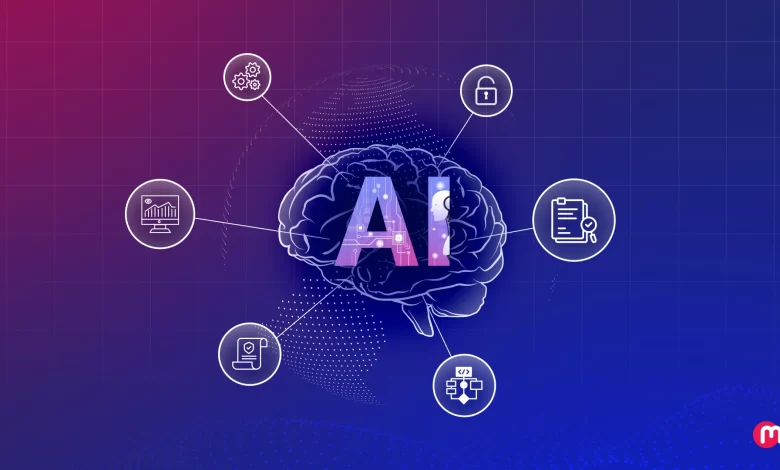
Agentic AI governance is a crucial framework that helps businesses streamline the oversight of autonomous AI systems. This framework ensures that AI systems operate ethically, securely, and in compliance with regulations. By implementing robust agentic AI governance frameworks, organizations can deploy AI agent development solutions safely and efficiently.
The evolution of artificial intelligence has created a demand for new governance frameworks that balance innovation with responsibility. Traditional governance models rely on static policies and human oversight, but with AI becoming more autonomous, a dynamic approach was needed. Agentic AI governance provides structured oversight for autonomous AI agents that independently plan, reason, and act on goals.
In simple terms, agentic AI governance refers to the structured oversight of autonomous AI systems to ensure ethical, secure, and compliant operations. It empowers businesses to harness agentic AI governance frameworks for risk mitigation, data privacy, and scalable deployment.
This comprehensive guide on agentic AI governance explores the frameworks, business approach, use cases, challenges, and future trends of agentic AI governance.
Key Takeaways:
– Agentic AI governance defines policies, controls, and oversight mechanisms for managing autonomous AI systems.
– The frameworks integrate proactive self-regulation with human oversight.
– Businesses can approach agentic AI governance by assessing current AI maturity, implementing AI-driven governance policies, investing in AI audit and monitoring tools, and establishing AI incident response protocols.
– Agentic AI is used in various sectors like finance, healthcare, real estate, IT, HR, autonomous vehicles, and security.
– Challenges of implementing agentic AI governance include integration with legacy systems, data quality, security and privacy concerns, lack of human-AI collaboration frameworks, ethical and governance challenges, and more.
– Future trends in agentic AI governance include AI augmented compliance officers, standardization of AI governance frameworks, and integration with AI auditing platforms.
What is Agentic AI Governance?
Agentic AI governance is a framework of policies, controls, and oversight mechanisms designed to manage autonomous AI systems that can independently plan, make decisions, and execute actions. It ensures these systems operate safely, ethically, and in compliance with regulations by enforcing accountability, transparency, and risk management.
The Framework of Agentic AI Governance:
Agentic AI governance frameworks integrate proactive self-regulation with human oversight for autonomous AI systems. This includes defining ethical and compliance boundaries, embedding AI oversight mechanisms, establishing a human-in-the-loop system, dynamic policy enforcement, and continuous monitoring and feedback loops.
How Businesses Must Approach Agentic AI Governance:
Businesses must adopt a structured, phased strategy for agentic AI governance to transition from reactive to proactive oversight. This involves assessing current AI maturity, implementing AI-driven governance policies, investing in AI audit and monitoring tools, and establishing AI incident response protocols.
Use Cases of Agentic AI Governance:
Agentic AI governance frameworks enable secure deployment across different industries by enforcing compliance, monitoring autonomy, and mitigating risks like data breaches. Use cases include agentic AI in financial services, healthcare, autonomous vehicles, IT, HR, and security.
Challenges of Implementing Agentic AI Governance:
Implementing agentic AI governance comes with challenges such as integration with legacy systems, data quality and accessibility, security and privacy concerns, lack of human-AI collaboration frameworks, ethical and governance challenges, scalability, and cultural resistance.
Future Trends in Agentic AI Governance:
Future trends in agentic AI governance include AI augmented compliance officers, standardization of AI governance frameworks, and integration with AI auditing platforms. The global AI governance market is projected to grow significantly, indicating a growing demand for agentic AI governance solutions.
In conclusion, agentic AI governance is essential for responsible deployment of autonomous AI systems. By adopting best practices and overcoming challenges, businesses can leverage agentic AI governance to ensure compliance, scalability, and ethical alignment in their AI operations.