A Complete Guide to eLearning App Development
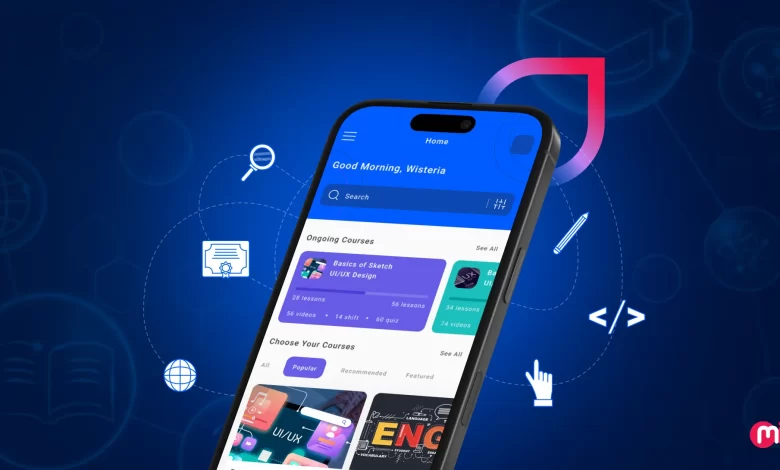
The realm of online education and eLearning is experiencing rapid growth, thanks to the increasing usage of mobile phones and tablets. This shift towards digital learning apps is transforming the landscape of education. In this comprehensive guide, we will explore everything you need to know about eLearning app development.
The global mobile learning market is projected to reach a value of around USD 604.8 billion by 2033, growing at a CAGR of 24.01% from 2024 to 2033. This indicates the significant impact of education software development on modern learning practices.
eLearning apps are designed to provide educational and training experiences through electronic devices such as smartphones, tablets, and computers. These platforms leverage technology to deliver a wide range of resources and learning materials, offering users the flexibility to acquire skills at their own pace.
Institutions, teachers, and students benefit from eLearning platforms by managing educational content, scheduling classes, submitting assignments, taking quizzes, and tracking progress efficiently. The personalized nature of these apps addresses key challenges in education and enhances the learning experience.
Understanding the latest trends in eLearning, organizations are adopting innovative ways to deliver content through feature-rich and modern e-learning apps. Consequently, eLearning mobile app development services have become essential in meeting the evolving needs of the education sector.
Key trends in eLearning app development for 2026 include the integration of Artificial Intelligence (AI) and Machine Learning (ML), leveraging Big Data for enhanced learning experiences, and incorporating Augmented Reality (AR), Mixed Reality Learning (MR), and Virtual Reality (VR) technologies.
Different types of eLearning applications include Learning Management Systems, course-based learning apps, mobile learning apps, virtual classrooms, Massive Open Online Courses (MOOCs), corporate training apps, and educational games for children.
eLearning apps offer numerous benefits such as enhanced reach and accessibility, cost-effectiveness, customization, real-time progress tracking, consistency, and standardization. These apps empower organizations to deliver high-quality education content to a broader audience.
The process of developing an eLearning app involves market analysis, goal setting, UI/UX design, MVP development, choosing a monetization method, and testing support. By following these steps, organizations can successfully launch and maintain a competitive eLearning platform.
Must-have features in an eLearning app include registration and account management, course catalog and search functionality, content management system, interactive quizzes and assessments, progress tracking, integrated payment system, user feedback and ratings, dashboard and analytics, technical support, and integration with other tools.
The cost of developing an eLearning app can vary based on complexity and features, ranging from $30,000 to $150,000 or more. Real-world examples of successful eLearning apps include Duolingo, Udemy, and Coursera.
MindInventory, as a leading education software development company, can assist organizations in developing cutting-edge eLearning apps. With expertise in user-friendly design, essential features, and latest trends, MindInventory can help organizations stay ahead in the competitive eLearning landscape.