A Comprehensive Guide to Cloud Computing in Manufacturing
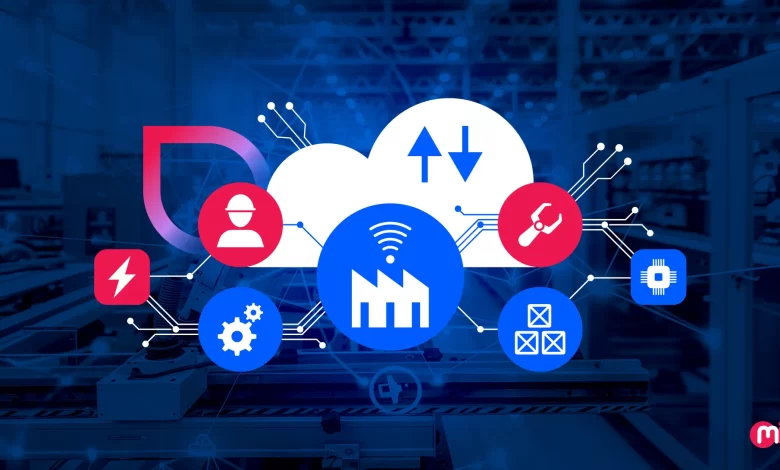
Cloud computing has become a game-changer for the manufacturing industry, providing a wide range of benefits such as improved efficiency, cost reduction, and better collaboration. The global cloud computing market is projected to reach USD 3,349.61 billion by 2033, showcasing the rapid growth and importance of cloud adoption in modern businesses.
Manufacturers are leveraging cloud computing to unify machines, sensors, MES, ERP, and supply chain systems for real-time planning, remote monitoring, and predictive maintenance. The advantages of cloud computing in manufacturing include scalability, flexibility, cost reduction, real-time data access, monitoring, data security, supply chain management, and enhanced collaboration.
Real-life applications of cloud computing in manufacturing encompass supply chain management, inventory management, predictive maintenance, production planning and execution, quality management, and smart factory operations. These applications help manufacturers cut costs, improve uptime, and make data-driven decisions at scale.
The future of cloud computing in manufacturing will focus on AI-native platforms, edge cloud hybrids, and 5G integration to enable smart and autonomous factories. Trends such as generative AI, predictive analytics, and digital twins will drive the market forward, offering new opportunities for predictive maintenance tools, blockchain integration for supply chain transparency, and cloud-based collaborative design platforms.
In conclusion, cloud computing is essential for manufacturers to stay competitive, foster innovation, and adapt quickly to industry shifts. By integrating cloud computing into their operations, manufacturers can streamline supply chains, enable predictive maintenance, and power smart factories with real-time insights. If you’re considering implementing cloud computing in your manufacturing unit, reach out to industry experts for guidance and support.