A Night in the Writers Room: Drama Panel
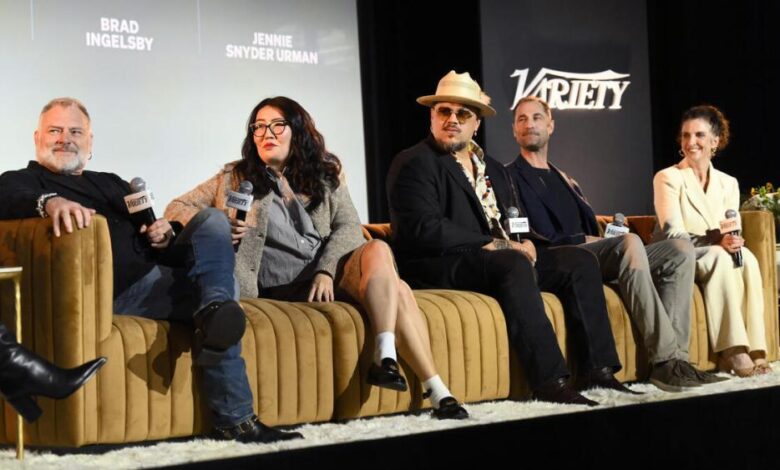
Variety recently hosted a gathering of five drama showrunners at A Night in the Writers’ Room event, where they discussed the evolving landscape of television and shared insights into their creative processes. Moderated by Emily Longeretta, Variety’s senior TV features editor, the panel delved into how each showrunner approaches their work and the strategies they employ to stay productive.
Jennie Snyder Urman, showrunner of CBS’ “Matlock,” revealed that she finds inspiration by taking daily walks. She emphasized the importance of physical movement in sparking her creativity, even if it means walking with scripts in hand. Her unconventional approach surprised her fellow panelists, who shared their own unique methods.
R. Scott Gemmill, showrunner of HBO Max’s “The Pitt,” rejected the idea of long hours in the writers’ room, opting for shorter, more focused meetings with his team. He emphasized the importance of writers living life outside of work to bring fresh stories to the table. Sterlin Harjo, creator of FX’s “The Lowdown,” echoed this sentiment, highlighting his preferred work schedule of 10 to 4.
Brad Ingelsby, creator of HBO’s “Task,” took a different approach, working alone from his home office. He stressed the importance of consistency, emphasizing the need to sit down and write every day. Despite his solitary process, he acknowledged the value of collaboration and humorously entertained the idea of joining a writers’ room.
The panel also touched on the topic of outlining stories, with Ingelsby admitting he doesn’t follow a strict outline, preferring to discover the narrative as he writes. Jenny Han, creator of Amazon’s “The Summer I Turned Pretty,” shared her experience adapting her own novels for television, highlighting the flexibility needed in pacing out episodes over multiple seasons.
Overall, the discussion showcased the diverse approaches to storytelling and the creative process among showrunners. The willingness to share personal insights and challenges underscored the collaborative and ever-evolving nature of the television industry. As television continues to evolve, these insights from seasoned showrunners offer valuable perspectives for aspiring writers and industry professionals alike.