A Nonexistent Quote About Free Trade
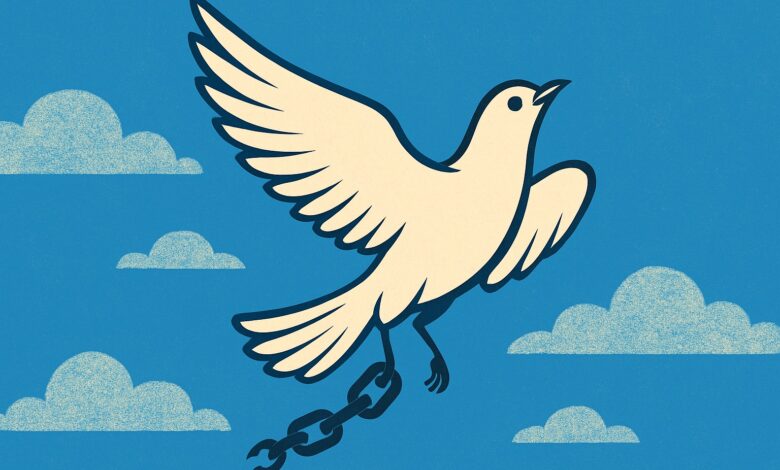
The Illusion of Freedom: A Global Perspective
As we survey the landscape of nations across the globe, it becomes increasingly evident that true freedom is a rare commodity. Among the 200 or so countries that exist today, not a single one can claim to be entirely free from the shackles of government intervention and coercion. If there were such a country, we would expect its leaders to boldly declare their commitment to eliminating all barriers to trade and embracing a philosophy of laissez-faire economics. Unfortunately, such a utopia remains a fantasy, and we are left to ponder the implications of a world devoid of genuine economic freedom.
Imagine a country where individuals are free to engage in trade with anyone, anywhere in the world, without fear of restrictive tariffs or oppressive regulations. A society where entrepreneurship thrives, and innovation flourishes in the absence of government interference. Such a vision may seem far-fetched, but the benefits of such a system are undeniable. By allowing free markets to operate without hindrance, individuals can pursue their economic interests and create wealth for themselves and their communities.
One man who came close to realizing this vision was John Cowperthwaite, the British administrator of Hong Kong from 1945 to 1971. Under his leadership, Hong Kong experienced unprecedented economic growth and prosperity, thanks to its commitment to free-market principles. The lessons learned from Cowperthwaite’s experiment in economic freedom serve as a testament to the power of individual initiative and voluntary exchange.
However, the road to freedom is fraught with obstacles, as governments around the world continue to impose restrictions on trade and commerce in the name of national security and economic stability. The recent trade war between major powers has only served to highlight the challenges of navigating a global economy dominated by protectionist policies and political brinkmanship.
It is essential to recognize that not all countries are equally unfree, and distinctions must be made between degrees of economic freedom. While some nations may offer more opportunities for entrepreneurship and innovation, others remain mired in a quagmire of government intervention and bureaucratic red tape. The pursuit of freedom is not a one-size-fits-all endeavor, and individuals must weigh the trade-offs between government control and individual liberty.
As we grapple with the complexities of the modern world, it is crucial to remember that freedom is a fragile construct, easily eroded by the temptations of power and the allure of control. A small deviation from the path of liberty can have far-reaching consequences, leading to a downward spiral of government intervention and regulatory overreach. The challenge we face today is to resist the siren song of authoritarianism and embrace the principles of free-market capitalism.