‘A war American people do not want’
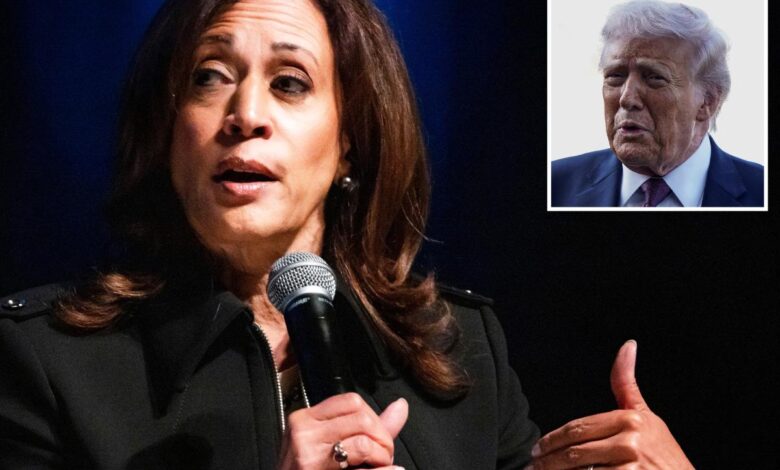
Kamala Harris has recently made headlines by aligning herself with other far-left Democrats in expressing her opposition to regime change in Iran. The former vice president issued a statement criticizing Operation Epic Fury and President Donald Trump shortly after the attack on Iran began on Saturday.
In her statement, Harris described the attack as “a war American people do not want,” despite the fact that Iran’s Supreme Leader Ali Khamenei and several top Iranian security and regime figures were reportedly eliminated in the strike.
Harris emphasized her opposition to a regime-change war in Iran, labeling it as a “dangerous and unnecessary gamble with American lives” orchestrated by Trump. She acknowledged the threat posed by Iran but maintained that the current approach was not the solution to dismantling that threat.
Furthermore, Harris criticized President Trump for his statements about ending wars and obliterating Iran’s nuclear program, calling him out as reckless and lacking in the steadiness required for decisions on matters of war and peace. She emphasized the constitutional requirement for the President to seek authorization from Congress before engaging in a war.
The former VP closed her statement by condemning the actions on Saturday as unwise, unjustified, and unsupported by the American people. She called on Congress to use all available power to prevent further escalation of the conflict, asserting that troops, allies, and the American people deserved better.
However, Harris faced backlash on social media for her stance, with some questioning her leadership abilities and others expressing support for President Trump’s actions. Meanwhile, Governor Gavin Newsom also criticized the airstrikes as illegal, but his comments were met with criticism as well, with some questioning his stance on the matter.
The military action against Iran came after stalled talks over Iran’s nuclear program, highlighting the ongoing tensions in the region. As the situation continues to evolve, it remains to be seen how political leaders will navigate the complex landscape of international relations.