Access to green space a mental health lifeline during COVID-19 pandemic, research reveals
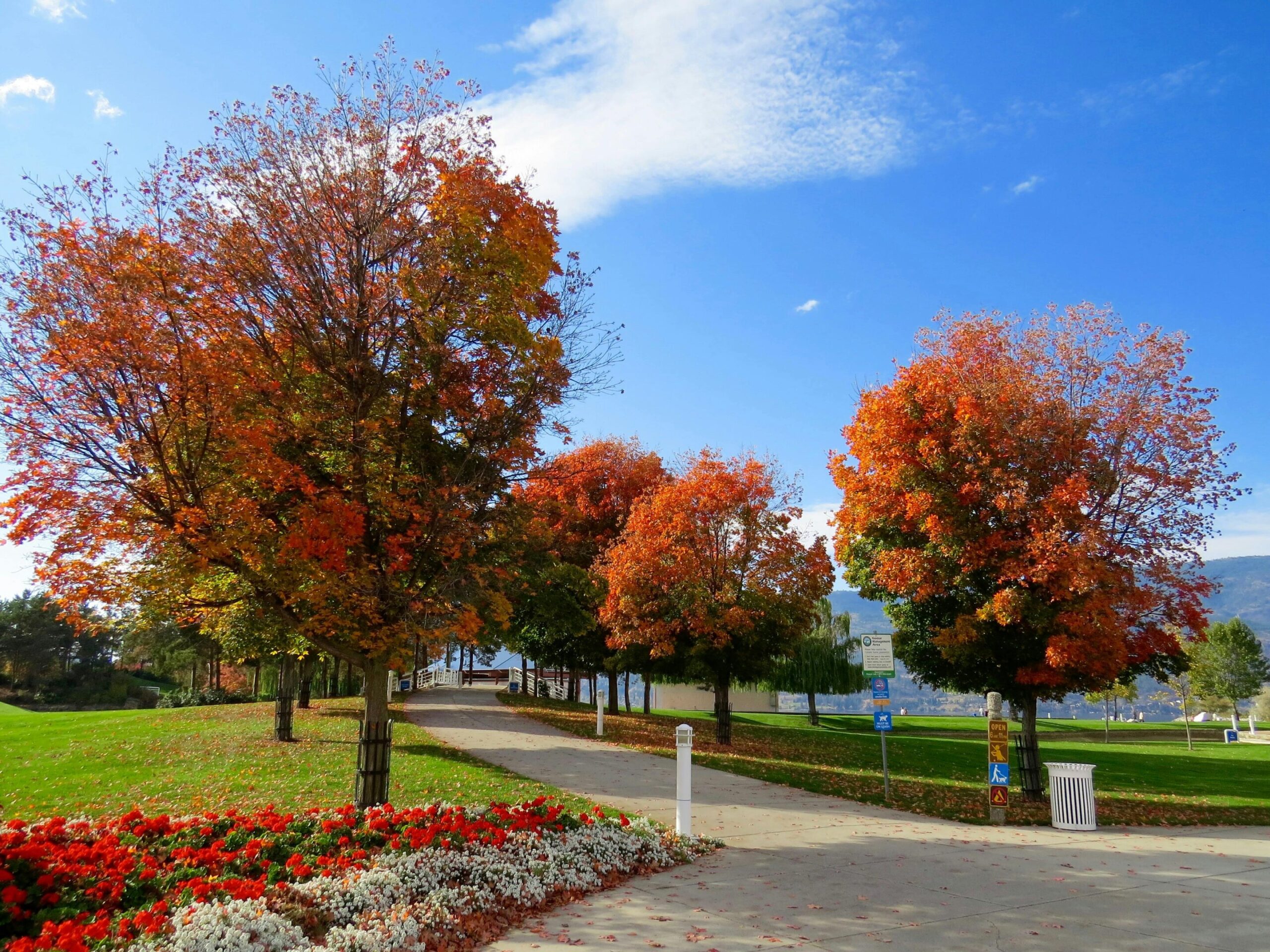
A recent national study conducted by researchers from Carleton University and the University of Toronto has unveiled a fascinating connection between green spaces and mental health during the early stages of the COVID-19 pandemic. The study, titled “Residential Greenness Reduced Depression During COVID-19: Longitudinal Analyses from the Canadian Longitudinal Study on Aging (CLSA),” was published in the esteemed journal PLOS One.
The researchers analyzed data from over 13,000 urban-dwelling participants in the Canadian Longitudinal Study on Aging (CLSA) and discovered that access to green spaces in neighborhoods—ranging from public parks and playing fields to tree canopy cover and private gardens—appeared to have a positive impact on mental health. This effect was particularly significant for older adults without a history of depression, individuals with limited economic resources, and those facing mobility challenges.
The study highlighted four key findings. Firstly, urban areas with more vegetation were linked to lower rates of depression during the pandemic, especially for individuals who were not previously depressed. Lead author Dr. Paul J. Villeneuve emphasized the protective role that greenery played in supporting mental health during a time of heightened stress and uncertainty.
Secondly, living in green neighborhoods was found to be especially beneficial for lower-income Canadians, with the mental health benefits of green spaces being more pronounced among individuals with limited wealth. Co-author Susanna Abraham Cottagiri noted the significance of green spaces in mitigating mental health issues among economically disadvantaged populations.
Thirdly, individuals with mobility challenges experienced greater benefits from living in greener neighborhoods, possibly due to restricted access to other green spaces. Dr. Ying Jiang, another co-author of the study, highlighted the importance of local greenery in supporting mental well-being for individuals with mobility limitations.
Lastly, the study revealed that individuals who seldom ventured outside their neighborhood prior to the pandemic experienced a greater protective effect from living in greener neighborhoods during the pandemic. This suggests that the presence of green spaces in close proximity may have a heightened psychological value during times of social isolation.
The researchers underscored the need for urban planning and mental health policies in Canada to prioritize equitable access to green spaces, particularly in lower-income neighborhoods. Co-author Professor Esme Fuller-Thomson emphasized the importance of integrating green infrastructure into mental health resilience strategies to support the well-being of all community members.
Overall, this study provides valuable insights into the relationship between green spaces and mental health during the pandemic. By leveraging satellite data and longitudinal analyses, the researchers shed light on the potential benefits of greenery for diverse populations. However, they acknowledge the need for further research to address the mental health needs of vulnerable populations not represented in their sample, such as individuals in long-term care facilities.
For more information, the study “Residential Greenness Reduced Depression During COVID-19: Longitudinal Analyses from the Canadian Longitudinal Study on Aging (CLSA)” can be accessed in PLOS One (2025) with DOI: 10.1371/journal.pone.0329141. This groundbreaking research was conducted by the University of Toronto and underscores the vital role of green spaces in supporting mental health during challenging times.
As we continue to navigate the complexities of the pandemic, understanding the impact of green spaces on mental well-being is crucial for promoting resilience and community health. Let us strive to create inclusive and sustainable environments that prioritize the mental health and well-being of all individuals, especially during times of crisis.