After Supreme Court ruling, industries still face higher rates
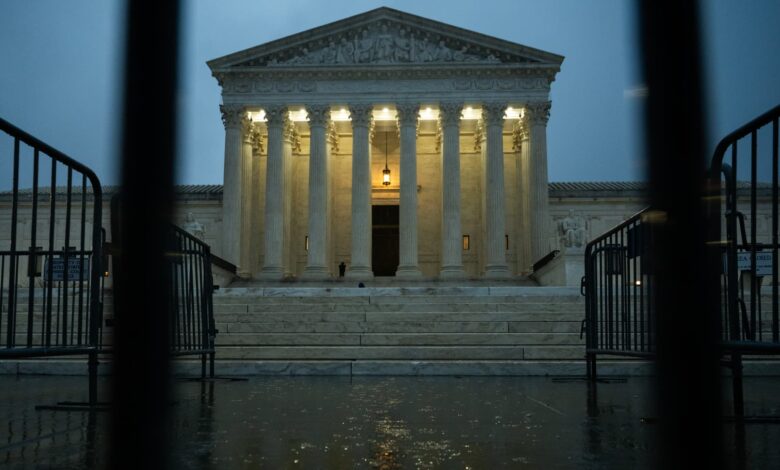
The recent ruling by the Supreme Court declaring President Trump’s country-specific “reciprocal” tariffs as unconstitutional has had a significant impact on various sectors. While the decision is a win for many consumer companies facing higher import costs, it does not cover all industries. The Supreme Court specifically reviewed tariffs enacted under the International Emergency Economic Powers Act of 1977 (IEEPA), which the Trump administration used to justify its tariff agenda. This act had never been used by a president to impose tariffs before.
In a 6-3 decision, the Supreme Court ruled that the IEEPA does not authorize the President to impose tariffs. However, it’s important to note that the ruling does not cover tariffs enacted under Section 232 of the Trade Expansion Act of 1962. These tariffs, aimed at specific products that threaten national security, remain in effect despite the recent ruling.
One sector that continues to face higher levies is the automotive industry. The industry is grappling with billions of dollars in tariff costs, depending on the origin of imported auto parts or vehicles. The Trump administration had imposed 25% tariffs on vehicles and certain auto parts, citing national security risks. While some countries have negotiated lower rates, the industry remains uncertain about the future tariff landscape.
The pharmaceutical industry is also facing uncertainty over tariffs. Although pharmaceutical tariffs are covered under Section 232, the Trump administration has threatened tariffs as high as 250% on pharmaceutical imports. The administration’s goal is to push drug companies to manufacture in the U.S. Several major pharmaceutical companies have struck deals with the administration to lower prices in exchange for exemptions from tariffs.
The furniture industry has found little relief from the Supreme Court ruling. Last fall, items like couches, kitchen cabinets, and vanities were hit with higher tariffs under Section 232. The industry is already facing challenges, with tariffs expected to rise to 50% in 2027. Smaller companies are struggling, while larger companies are facing bankruptcy.
Food and consumer packaged goods companies are still dealing with tariffs on steel and aluminum imports under Section 232. Companies like Coca-Cola, PepsiCo, and Keurig Dr Pepper will continue to face higher costs associated with manufacturing their products. While some tariffs have been rolled back, the sector is still grappling with the impact of tariffs on their operations.
In conclusion, the recent Supreme Court ruling on tariffs has had a significant impact on various sectors. While some industries have seen relief, others continue to face challenges. It is crucial for companies to stay informed about the evolving trade and tariff landscape as they navigate the complexities of international trade.