AI could determine whether you get hired or fired as more managers rely on the technology at work
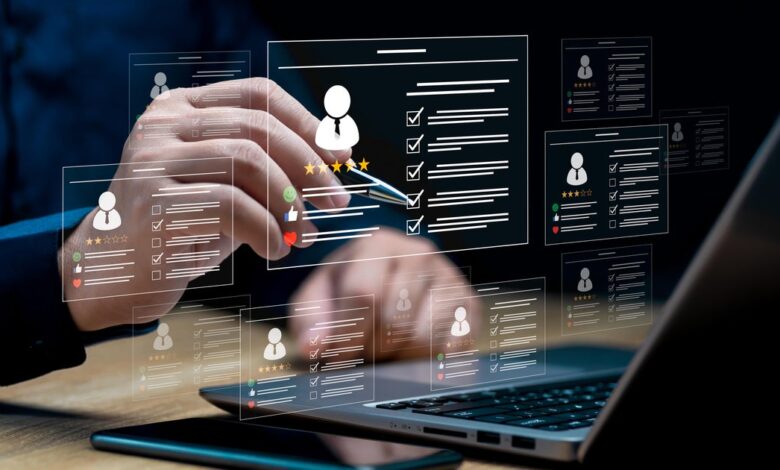
The integration of AI tools in determining hiring and firing decisions is becoming more prevalent in today’s workplace, posing potential risks and challenges for both managers and employees. A recent study by Resumebuilder.com revealed that a significant number of managers are turning to AI technologies, such as ChatGPT, to make critical personnel-related choices. While this trend signifies a shift towards automation and efficiency, it also raises concerns about the implications of relying solely on AI for such impactful decisions.
According to the survey, a considerable portion of managers lack formal training in utilizing AI tools, yet a majority of them heavily rely on these technologies when making hiring, firing, and promotion decisions. This growing dependence on AI raises questions about the role of human resources departments in overseeing personnel matters and ensuring fairness and transparency in decision-making processes. As companies increasingly adopt AI into their operations, employees are urged to embrace these tools, even if they may not fully understand their capabilities and limitations.
One of the key risks associated with using AI for staffing decisions is the potential for bias and discrimination. AI algorithms are only as good as the data they are fed, and if the data is flawed or biased, it can lead to unfair outcomes for employees. Additionally, AI may struggle to make qualitative assessments when a worker’s success is not solely based on quantifiable metrics. This underscores the importance of human oversight in ensuring that AI-driven decisions align with company values and ethical standards.
Furthermore, the prospect of AI making staffing decisions without sufficient human input raises concerns about legal implications and accountability. Companies could face discrimination lawsuits if AI algorithms inadvertently perpetuate bias in decision-making processes. It is essential for organizations to establish clear guidelines and protocols for using AI in personnel matters to minimize the risk of legal challenges and ensure transparency and fairness for all employees.
In conclusion, while AI technologies offer significant benefits in streamlining processes and increasing efficiency, it is crucial for companies to strike a balance between automation and human oversight in personnel-related decisions. Human input and judgment are indispensable in ensuring that AI tools are used responsibly and ethically, particularly in sensitive areas such as hiring, firing, and promotions. By leveraging the strengths of both AI and human intelligence, companies can navigate the complexities of modern workforce management while upholding fairness and inclusivity.