AI likely to displace jobs, says Bank of England governor
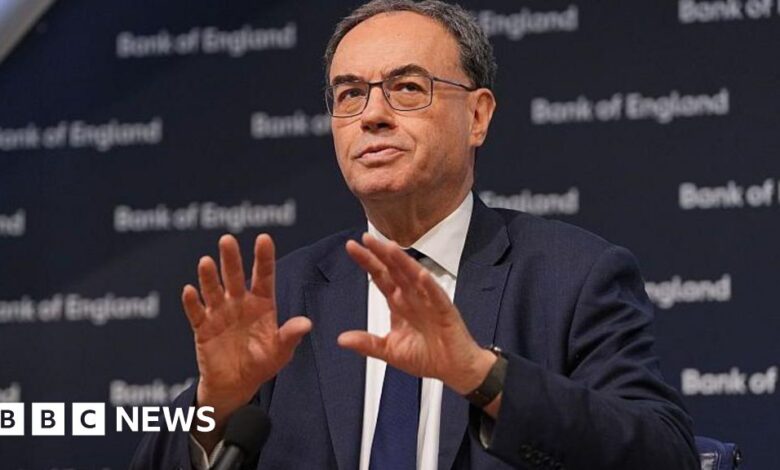
The governor of the Bank of England, Andrew Bailey, has raised concerns about the potential impact of artificial intelligence (AI) on the job market. He warned that the widespread adoption of AI could displace workers in a manner similar to the Industrial Revolution. Bailey emphasized the importance of providing training, education, and skills to help workers transition into roles that utilize AI technology.
In an interview with BBC Radio 4’s Today programme, Bailey highlighted the need for individuals to acquire AI-related skills to improve their employment prospects. He acknowledged that younger, inexperienced professionals might face challenges in securing entry-level positions due to the increasing use of AI in various industries.
The integration of AI into everyday life has become more prevalent, with businesses and the public sector embracing the technology for its ability to process data, identify patterns, and execute instructions. However, there are concerns about the potential impact of AI on the labor market, particularly following recent data showing a rise in unemployment rates, especially among younger workers.
The rise of AI has led to discussions about its influence on entry-level professional jobs, particularly in fields such as law, accountancy, and administration. Some industry leaders, like Mohamed Kande, the global chairman of PwC, have expressed concerns about the changing nature of hiring practices as AI technology becomes more prevalent. Companies may increasingly rely on AI models to perform tasks that were previously done by junior staff, affecting the demand for entry-level professionals.
While acknowledging the potential benefits of AI for economic growth, Bailey emphasized the importance of preparing for potential displacement of workers and the need to monitor the valuation of AI firms. There are concerns about a possible AI bubble, with some experts warning of a market correction similar to past incidents like the dotcom bubble. Policymakers are closely monitoring the situation to prevent any negative consequences arising from a sharp unwinding of the AI market.
In conclusion, the integration of AI into various industries is expected to bring significant changes to the job market. While AI has the potential to enhance productivity and drive economic growth, it is essential to address the challenges and implications of widespread AI adoption to ensure a smooth transition for workers and businesses alike. The world of technology is constantly evolving and advancing at an unprecedented rate. From smartphones to artificial intelligence, new innovations are being introduced to the market every day. One of the most exciting and game-changing technologies that has emerged in recent years is virtual reality (VR).
Virtual reality is a computer-generated simulation of an environment that can be interacted with in a seemingly real or physical way. This technology has the potential to revolutionize a wide range of industries, from entertainment to education to healthcare.
In the entertainment industry, virtual reality has already made a significant impact. VR headsets allow users to immerse themselves in virtual worlds and experience things that were previously unimaginable. From playing immersive video games to watching concerts and movies in 360-degree virtual reality, the entertainment possibilities with VR are endless.
In the field of education, virtual reality has the potential to transform the way students learn. By using VR technology, students can explore historical sites, travel to different countries, and even dissect virtual organisms without the need for physical specimens. This hands-on approach to learning can make education more engaging and interactive for students of all ages.
Virtual reality is also being used in the healthcare industry to improve patient outcomes and provide better training for medical professionals. Surgeons can use VR simulations to practice complex procedures before performing them on real patients, reducing the risk of errors and improving surgical outcomes. VR technology is also being used to treat phobias, PTSD, and chronic pain through immersive therapy sessions.
As virtual reality continues to evolve and become more accessible, the possibilities for its applications are endless. From enhancing entertainment experiences to transforming education and healthcare, VR has the potential to revolutionize the way we interact with the world around us.
In conclusion, virtual reality is a groundbreaking technology that has the potential to transform a wide range of industries. As VR technology continues to advance, we can expect to see even more innovative applications and exciting developments in the future. The possibilities with virtual reality are truly limitless, and the impact it will have on our society is sure to be profound.