AI Tools May Degrade Doctors’ Skills
In this week’s edition of The Prototype, we delve into the potential risks of relying too heavily on AI, the mass production of satellites, a groundbreaking device allowing communication through thoughts, and more. To receive The Prototype directly in your inbox, sign up here.
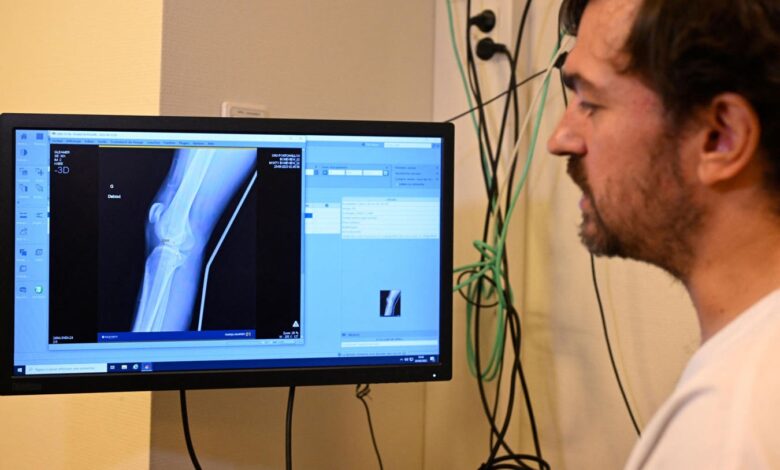
A recent study published in The Lancet explored the impact of an AI tool used for colonoscopies on doctors’ skills. The study revealed that doctors’ ability to identify abnormalities decreased after relying on AI for assistance. This raises concerns about the potential negative consequences of overdependence on AI, especially in situations where AI tools are not universally available. It highlights the importance of knowing when to use AI and when to rely on human skills.
Moving on to the satellite industry, Apex, based in Los Angeles, is revolutionizing the sector by introducing standardized satellite bodies that can be quickly customized for different missions. This approach aims to reduce costs and delays associated with traditional bespoke satellite manufacturing. By offering standardized options with customizable features, Apex is bringing a Henry Ford-style mass production approach to satellite production.
In a groundbreaking discovery, researchers have developed a device implanted in the brain that can translate neural activity associated with speech-based thinking into words. This innovation has the potential to revolutionize communication for individuals with neurological disorders like ALS, enabling them to communicate at the speed of thought.
On the space front, LeoLabs, a space startup based in Menlo Park, has entered into an agreement with NASA to provide data for evaluating the risk of satellite and spacecraft collisions. By integrating LeoLabs’ radar data with existing Air Force systems, NASA aims to enhance space traffic management and avoid potential collisions in space.
In the realm of biotech, Loyal, a startup featured on Forbes’ Next Billion-Dollar Startups List, is conducting clinical trials to develop pills that could extend dogs’ lifespans. The company’s innovative approach could pave the way for life-extending medications for humans in the future.
In other news, Texas A&M researchers have developed a self-healing carbon-fiber material stronger than steel, offering new possibilities for durable and resilient materials. Additionally, a “skin in a syringe” gel containing living skin cells has been created for 3D-printed skin grafts that promote scar-free healing for burn victims.
Lastly, a recent study revealed that creativity may be stifled when individuals rely too heavily on search engines for idea generation. Groups that refrained from using search engines were found to produce more creative and effective ideas compared to those who relied on online search results.
Stay informed with The Prototype for more updates on the latest advancements in science and technology.