Alcohol Use, Sober Curiosity, And Recovery In College Mental Health
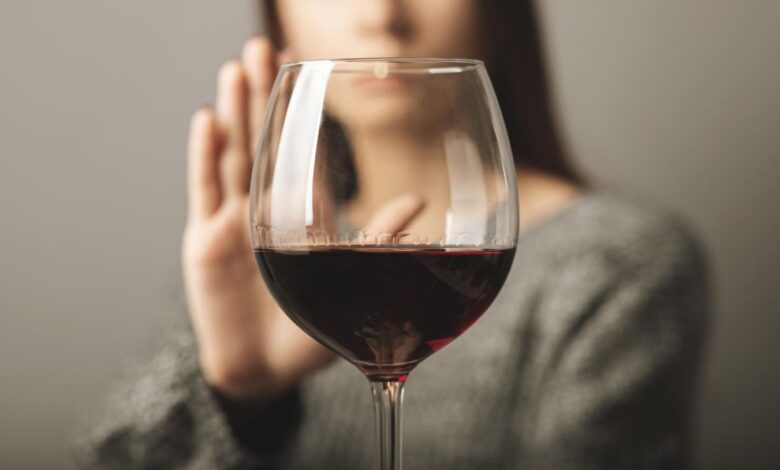
A young woman refusing a glass of wine
getty
As the new academic year approaches in higher education, there is often curiosity surrounding the alcohol consumption habits of college students. According to the 2023 National College Health Assessment by the American College Health Association, 63.7% of college students surveyed reported alcohol use in their lifetime, with 57.7% consuming alcohol in the past 3 months. However, it’s essential to note that national surveys on alcohol consumption may have limitations, such as relying on self-reported data and not specifying the context or type of alcohol being consumed. Caroline Albritton Sahba, from Texas Christian University, emphasizes the disparity between perceived and actual alcohol use among college students.
Sahba cautions against the misconception propagated by the media that all college students engage in alcohol consumption. She notes that such misperceptions could lead students to drink excessively due to societal pressures. Research published in the journal Alcohol, Clinical and Experimental Research indicates a correlation between college students’ drinking behavior and exposure to alcohol-related content on social media. Sahba emphasizes the negative impact of alcohol consumption on academic and social outcomes and encourages a more realistic view of alcohol use on college campuses.
Misperceptions About Alcohol Use And Sober Curiosity
Dr. Shelley Long, a licensed psychologist and founder of Sobriety Out Loud!, challenges common misperceptions surrounding sober curiosity. She highlights the importance of mindful alcohol consumption and the rising trend of sober coaching to promote intentional drinking habits. Long dispels the notion that sobriety is only for individuals with alcohol-related issues, citing various physical, mental, and emotional benefits of sobriety. Students embracing sobriety prioritize genuine connections, self-improvement, and overall well-being.
Misperceptions About Alcohol Use And Recovery
Sarah Oliveira-McDonald, from La Hacienda Treatment Center, debunks the myth that individuals must reach rock bottom before seeking help for alcohol use disorders. She advocates for early intervention and holistic treatment approaches to address addiction as a chronic brain disease. Oliveira-McDonald underscores the importance of seeking professional treatment for lasting recovery and emphasizes that treatment focuses on the individual’s biological, psychological, social, and spiritual well-being.
In conclusion, while alcohol consumption is prevalent among college students, not all students succumb to societal pressures. Sobriety and recovery are viable options for those struggling with alcohol use disorders, with early intervention offering hope for a positive trajectory. It’s crucial to dispel misperceptions surrounding alcohol use and encourage a balanced, healthy approach to drinking habits.