Amazon Fire Tablets Will Run on Open Source Android
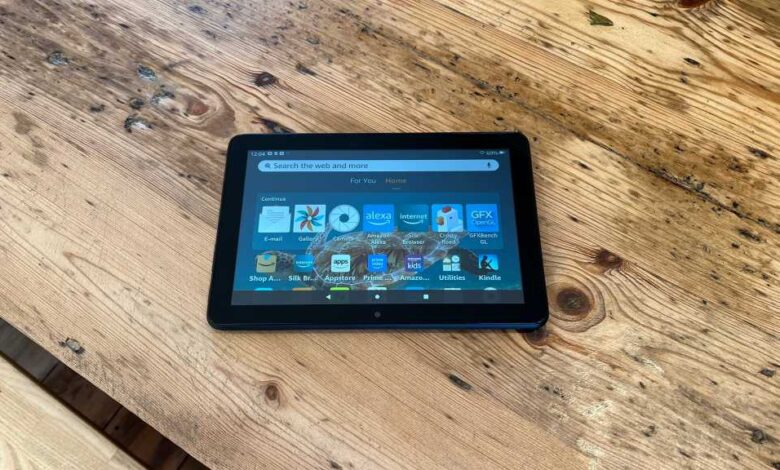
Amazon is reportedly making a significant change in its strategy for future Fire tablets by transitioning to a more conventional version of Android. This shift, as reported by Reuters and confirmed by sources familiar with the matter, signals a departure from the custom Fire OS that has defined Amazon’s tablet lineup since the inception of the Kindle Fire in 2011.
The move towards a generic form of the Android operating system is seen as a step towards offering a more standard user experience on Amazon’s tablets. The upcoming high-end tablet, codenamed Kittyhawk and expected to launch in 2026, will run on a version of Android. However, it is important to note that it will be based on the open-source version of Android, which means that users may still not have access to the Google Play Store without additional modifications.
The decision to switch to a more traditional version of Android raises questions about the rationale behind the move. Amazon’s existing approach with the Fire OS, while tailored to its ecosystem and services, has faced challenges in keeping up with the advancements seen in high-end Android tablets and Apple’s iPad. The versatility and functionality offered by competitors have made them more appealing options for consumers, especially those looking for a device that can double as a portable laptop with the addition of a keyboard case.
Despite being the fourth largest tablet maker globally, Amazon’s market share of 8% falls significantly behind industry leaders like Apple and Samsung. The company’s reputation for offering budget-friendly tablets at competitive prices has been a key driver of its success, but there are limitations to this approach. The rumored price of the new premium Fire tablet at $400 positions it as a more expensive option compared to the current Amazon Fire Max 11 model, signaling a shift towards a more upscale market segment.
While the transition to a standard version of Android may not immediately position Amazon’s tablets at the same level as top-tier competitors like the iPad and Galaxy Tab, it represents a strategic move towards offering a more familiar and feature-rich user experience. As the tablet market continues to evolve, Amazon’s decision to embrace a more traditional Android approach could be a significant step towards staying relevant and competitive in the industry.