Americans’ confidence in finding a new job falls to record low
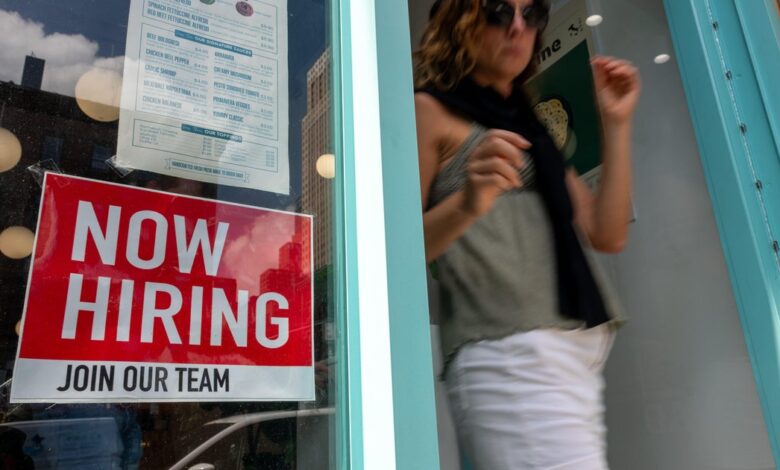
Job seekers across the United States are facing a crisis of confidence when it comes to finding new employment, as revealed by a recent survey conducted by the Federal Reserve Bank of New York. According to the Survey of Consumer Expectations, the average perceived probability of securing a new job after losing one has dropped by 5.8% points to a record low of 44.9% among heads of households surveyed in August. This decline marks the lowest measure since 2013 when the New York Fed first began collecting data.
Furthermore, Americans are increasingly anxious about the possibility of losing their current jobs. Expectations regarding the U.S. unemployment rate being higher one year from now have risen by 1.7 percentage points to 39.1%, as per the findings of the New York Fed. This data is reflective of a broader pessimism surrounding the economy, with a majority of respondents in a recent CBS News poll expressing a belief that the economic conditions are deteriorating.
The labor market has been a focal point of scrutiny following the release of July’s employment data, which showed weaker-than-expected job growth and significant downward revisions for the months of June and May. August’s data, released recently, indicated a slowdown in U.S. hiring, with employers adding a meager 22,000 jobs. The unemployment rate also climbed to 4.3%, the highest since October 2022.
Economist Allison Shrivastava from Indeed Hiring Lab suggests that employers might be retaining their existing workforce amidst uncertainty but refraining from creating new positions, leading employees to hold onto their current jobs rather than actively seeking new opportunities. Despite this, a Bankrate survey indicates that approximately half of Americans are planning to embark on a job search in the coming year. However, data reveals that the number of job changes has significantly decreased since the peak of the “Great Resignation” in 2022.
An analysis by Bank of America highlights a downward trend in the percentage of customers leaving their jobs, signaling a shift back in favor of employers due to reduced job-switching opportunities and overall market unease. Experts warn that if this trend persists, unemployment rates and layoffs may rise, further weakening the labor market.
The Federal Reserve, responsible for maintaining employment levels and controlling inflation, has acknowledged the escalating risks to employment. This acknowledgment heightens the likelihood of a rate cut at the upcoming meeting scheduled for September 16 to 17.
In conclusion, the current state of the job market presents challenges for both job seekers and employers, with uncertainty prevailing and confidence dwindling. As the landscape continues to evolve, it is crucial for policymakers and businesses to adapt strategies that support a resilient and sustainable labor market.