Analysis-US tariffs will be test of luxury brands’ pricing power
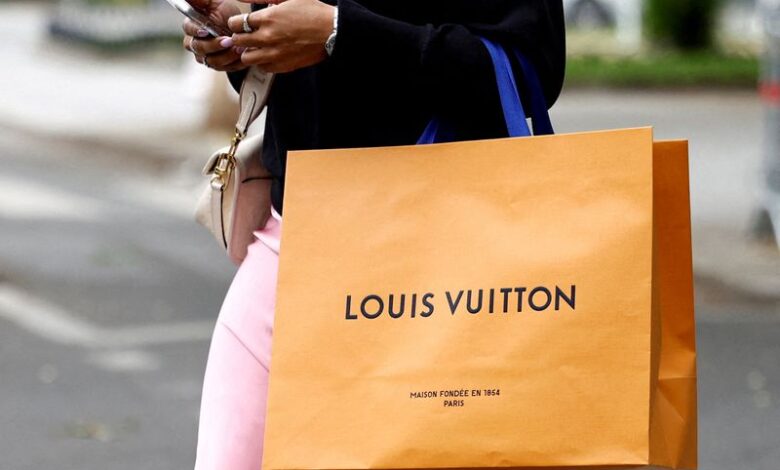
Luxury goods companies breathed a sigh of relief as the EU-U.S. trade deal spared them from the worst-case scenario, but they still face challenges ahead. The deal, which imposed a 15% tariff on EU goods, brings some certainty to the luxury market in the U.S., a key market for many big labels like Chanel, Louis Vuitton, and Dior. However, with already weak consumer demand and the need to raise prices further, brands find themselves in a delicate balancing act.
Jacques Roizen, managing director at Digital Luxury Group, pointed out that brands are cautious about increasing prices further to avoid alienating younger and occasional shoppers. While the baseline duties are not as high as initially threatened by President Trump, they are still a far cry from the zero-for-zero tariff deal that Brussels had hoped for.
The luxury goods industry is particularly reliant on the U.S. market as growth in China slows and global sales decline. The new tariffs will undoubtedly impact consumer behavior, with some shoppers like Abida Taher expressing hesitancy in making purchases.
Luxury giant LVMH, led by Bernard Arnault, has been lobbying EU leaders to ease tensions with the U.S. administration and even announced plans for a new Louis Vuitton factory in Texas. However, such a move may not be feasible for all European brands due to the complexity and cost involved.
Some high-end labels believe they can offset the cost of tariffs through pricing power, but analysts warn that some players have limited room to maneuver after significant price hikes in recent years. The industry saw a rebound in consumer demand post-pandemic, leading to substantial price increases, but this has also contributed to a disconnect between prices and perceived quality and creativity.
Hermes, which took a more conservative approach to price increases during the boom, has outpaced rivals and is expected to see a rise in sales. However, other luxury players like LVMH and Gucci are facing challenges as sales weaken.
To counter the downturn, the industry is focusing on recruiting new designers and renewing styles to align prices with product value. This process will take time, but industry experts like Caroline Reyl believe it is necessary for long-term sustainability.
In conclusion, luxury goods companies are navigating a complex landscape with the new tariffs and changing consumer preferences. The industry will need to adapt and innovate to stay competitive in the challenging market environment.