Anne Sweeney Revisits Landmark Disney-Apple iPod Licensing Deal
In a groundbreaking move on Oct. 12, 2005, Apple and Disney announced a deal that shook the media world. This unprecedented agreement allowed primetime TV programming to be available for digital purchase on mobile devices without the need for an antennae or multichannel subscription. The deal, spearheaded by former Disney Media Networks co-chair Anne Sweeney, paved the way for a new era of content consumption.
Looking back on the impact of the pact twenty years later, Sweeney reflects on the seismic shift it caused in the industry. The negotiations with Apple CEO Steve Jobs to make top-rated series like “Desperate Housewives” and “Lost” available for viewing on the first version of the iPod were no easy feat. The $1.99 per episode pricing model revolutionized the way audiences consumed content and set the stage for the streaming future that was yet to unfold.
Navigating the aftermath of the deal presented its own set of challenges for Sweeney. Legal questions from local TV stations and pay-TV distributors had to be addressed, and defending the new alliance became a priority. Despite the hurdles, the collaboration with Jobs proved to be both challenging and rewarding. One particular deal point elicited a strong reaction from Jobs, but ultimately led to a new way of working together and creating a template for the future.
Sweeney’s tenure at Disney saw her overseeing a broad portfolio of business units before she left in 2015. Currently serving on the board of directors at companies like Netflix and Lego, Sweeney continues to shape the industry with her expertise and vision.
The “Strictly Business” podcast by Variety features conversations with industry leaders about the business of media and entertainment. New episodes debut every Wednesday on platforms like Apple Podcasts, Amazon Music, Spotify, Google Play, and SoundCloud.
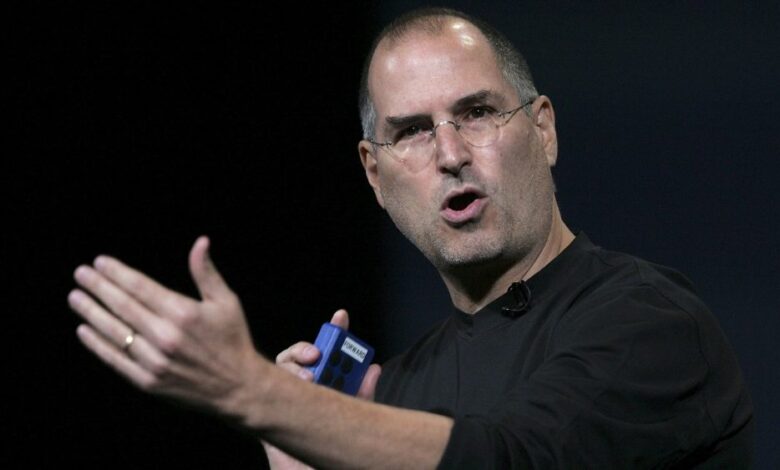
The Disney-Apple licensing pact for the video iPod, unveiled by Steve Jobs in 2005, marked a turning point in the way content was consumed and set the stage for the digital revolution that followed.