Anti-science bills hit statehouses across the U.S.
The rise of anti-science legislation in the U.S. has sparked concern among health experts and lawmakers alike. More than 420 bills attacking longstanding public health protections, including vaccines, milk safety, and fluoride, have been introduced in statehouses across the country this year. This organized campaign, driven by individuals with close ties to Health and Human Services Secretary Robert F. Kennedy Jr., aims to enshrine conspiracy theory-driven agendas into law.
An Associated Press investigation revealed that the wave of anti-science legislation has spread to most states, with around 30 bills enacted or adopted in 12 states. The effort is directed by Trump administration officials, with the ultimate goal of changing laws and influencing public opinion at a national level.
The push against science-based policies normalizes ideas promoted by the anti-vaccine movement, which has seen vaccination rates decline, leading to a resurgence of infectious diseases like measles and whooping cough. The Make America Healthy Again agenda, led by Kennedy, masks anti-science beliefs while advocating for natural food and reducing chemicals.
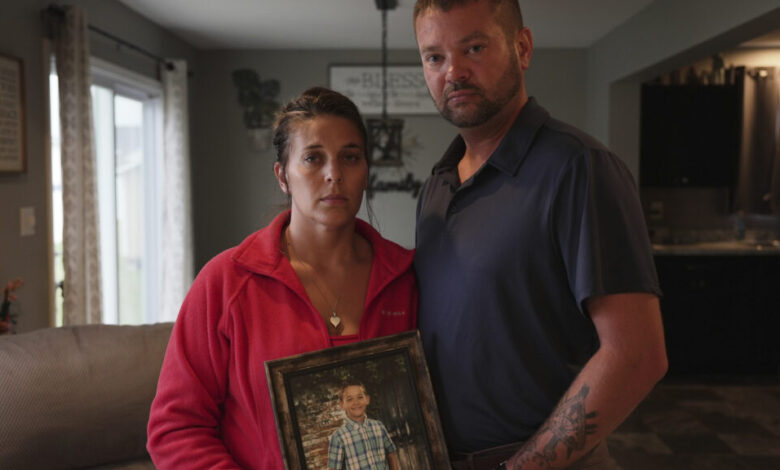
The impact of anti-science legislation is not just theoretical. Families like the Dahlbergs from Lowell, Indiana, have experienced the tragic consequences of vaccine-preventable diseases. Their 8-year-old son, Liam, died from a preventable illness, highlighting the importance of widespread vaccination to protect vulnerable individuals.
Despite the proven success of public health measures like vaccines, activists continue to spread misinformation and conspiracy theories. This has led to a surge in anti-vaccine bills across the country, with some states even targeting mRNA vaccines that played a crucial role in combating the COVID-19 pandemic.
The influence of groups connected to Kennedy, such as MAHA Action and Stand for Health Freedom, has been significant in promoting anti-science legislation. These groups have opposed science-driven bills and supported measures that undermine public health protections. The web of connections among these groups and Kennedy raises concerns about the spread of misinformation and the impact on public health.
In addition to anti-vaccine bills, legislation targeting fluoride in drinking water and raw milk sales has also gained traction. Arguments against these measures often revolve around the idea of natural health choices, despite scientific evidence supporting the benefits of fluoride and pasteurized milk.
The cost of anti-science legislation is not just measured in policy changes, but in lives lost and families devastated. Lawmakers advocating for science-based policies stress the importance of public health and the social contract that comes with living in a community.
As the debate over anti-science legislation continues, it is crucial for lawmakers, health experts, and the public to prioritize evidence-based policies that protect the health and well-being of all individuals. The stories of families like the Dahlbergs serve as a stark reminder of the consequences of undermining science in public health decision-making.