As more Americans embrace anxiety treatment, RFK Jr. derides medications
Anxiety Medication Use on the Rise: A Closer Look at the Trend
After enduring a challenging journey of cancer treatment, Sadia Zapp found herself grappling with heightened anxiety. The fear of every little ache and pain triggering thoughts of mortality led her to seek solace in an anxiety medication called Lexapro. Like millions of Americans, Zapp turned to medication to help manage her anxiety, a trend that has seen a significant uptick in recent years.
According to data from the Centers for Disease Control and Prevention, the use of anxiety medications among American adults increased from 11.7% in 2019 to 14.3% in 2024, with a notable surge during the COVID-19 pandemic. This rise in medication use was particularly prominent among young adults, individuals with a college education, and those who identify as LGBTQ+.
While medications like Prozac, Zoloft, and Lexapro are widely prescribed for anxiety disorders, there has been a backlash against their use from groups like the “Make America Healthy Again” movement. Critics argue that these selective serotonin reuptake inhibitors (SSRIs) are harmful and addictive, despite evidence supporting their safety and efficacy in treating anxiety disorders.
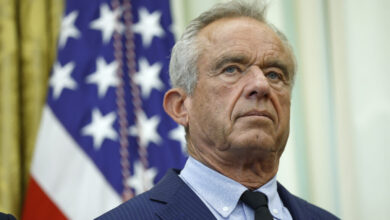
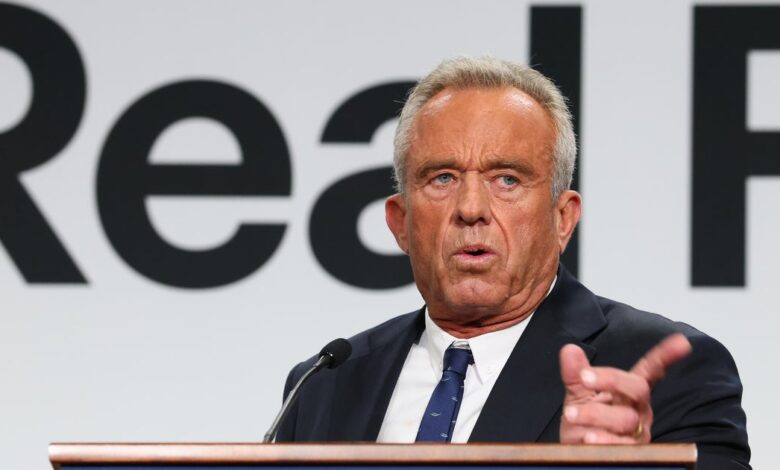
Health and Human Services Secretary Robert F. Kennedy Jr. has raised concerns about the use of SSRIs, citing potential difficulties in quitting the medication and even linking them to violent behavior. However, experts in the field maintain that SSRIs are valuable tools in managing anxiety, with mild and tolerable side effects for most individuals.
Studies have shown that SSRIs can significantly reduce anxiety symptoms in individuals with generalized anxiety disorder, with only a small percentage discontinuing treatment due to side effects. When used in conjunction with therapy techniques, SSRIs can be highly beneficial in addressing chronic anxiety.
In contrast to SSRIs, benzodiazepines like Xanax pose a higher risk of addiction and are recommended for short-term use. While effective in acute anxiety situations, long-term use of benzodiazepines can lead to dependence and tolerance. Additionally, beta-blockers like propranolol are occasionally used off-label for anxiety, offering a non-addictive alternative to traditional anxiety medications.
The increased use of anxiety medications has been spurred by a variety of factors, including heightened stress levels during the pandemic, increased social media use, and economic uncertainty. While access to medication has become more convenient, self-diagnosis based on social media trends remains a concern.
Ultimately, the decision to use anxiety medication should be made in consultation with a healthcare provider, taking into account individual needs and preferences. For individuals like Sadia Zapp, medication has been a valuable tool in managing anxiety and reclaiming a sense of normalcy in daily life.