As pennies begin to disappear, states grappling with “rounding” problem for cash purchases
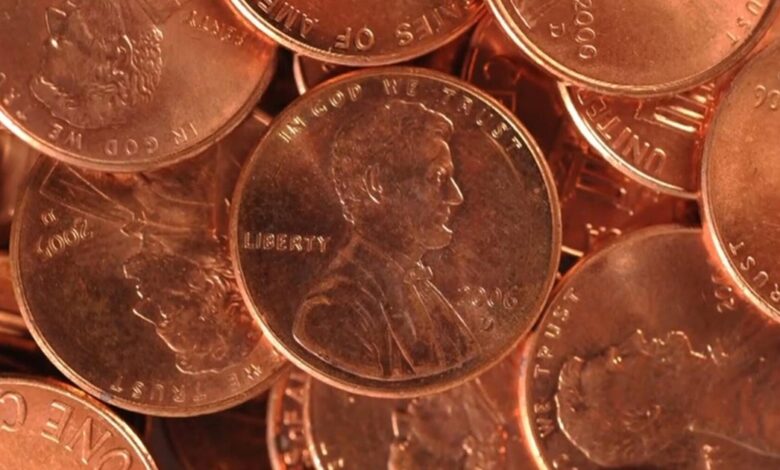
In the wake of the discontinuation of penny production in the United States, several states are taking action to address the issue of rounding cash purchases. President Trump made the decision to end penny production due to its high cost, with each penny costing 3.7 cents to produce in 2024 according to the U.S. Mint’s annual report.
The shortage of pennies in circulation last summer prompted businesses and consumers to face the challenge of making exact change. Some retailers went to great lengths to gather enough pennies to meet demand. While the Treasury Department has stated that existing pennies will continue to be circulated for as long as possible, the issue of rounding cash transactions has come to the forefront.
One proposed solution is symmetrical rounding to the nearest nickel, where prices ending in one, two, six, or seven cents are rounded down, while prices ending in three, four, eight, or nine cents are rounded up. Legislation introduced in Congress aims to implement symmetrical rounding nationwide to avoid a patchwork of state policies. Several states have already passed bills regarding rounding cash purchases, with some making it optional for businesses and others making it mandatory.
In Indiana, a bill signed into law requires businesses to round cash purchases to the nearest nickel for transactions that don’t end in zero or five. Tennessee has also passed legislation exempting symmetrical rounding from legal claims under consumer protection laws. Despite concerns about the impact of rounding on prices, the Treasury assures that prices will be rounded up and down equally, with no overall effect on consumer prices.
While some Americans have expressed frustration about rounding, others see it as a practical solution in the absence of pennies. The Treasury estimates that ceasing penny production will save $56 million annually, but there are concerns about increased demand for nickels, which are also costly to produce. Proposed federal legislation includes the option to adjust the composition of coins to reduce costs.
Overall, the move away from penny production and towards rounding cash transactions reflects the changing landscape of currency usage in an increasingly digital world. As states and businesses adapt to the new currency system, the goal is to ensure that consumers can still pay exact amounts while minimizing the impact on prices and the economy.