As The EPA Moves To Gut A Key Climate Rule, The Risks To Public Health Intensify
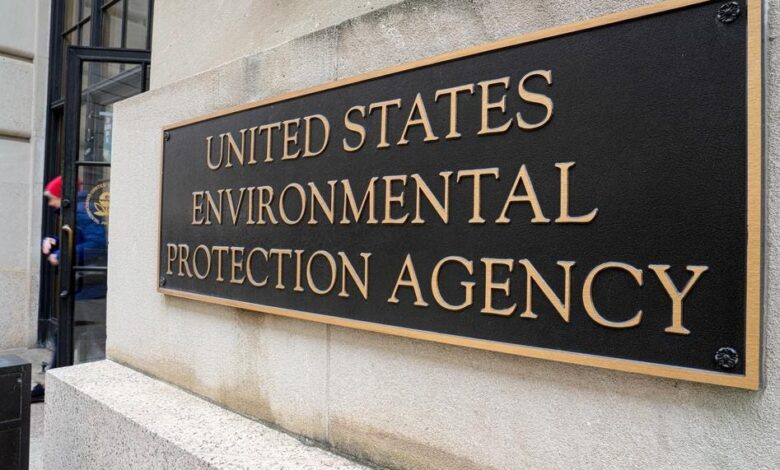
The Environmental Protection Agency (EPA) has made a significant decision to repeal the “endangerment finding,” a rule that allows for the regulation of greenhouse gas emissions under the Clean Air Act. This move, announced by EPA head Lee Zeldin, marks a shift in the agency’s approach to addressing climate change.
The endangerment finding, established in 2009, highlights the impact of increased atmospheric levels of greenhouse gases on public health and welfare. It specifically targets emissions from new motor vehicles and engines as contributors to harmful pollution. The Trump-era EPA’s proposal to rescind this finding is part of a broader effort to roll back environmental regulations and prioritize economic interests over climate action.
Administrator Zeldin defended the decision by stating that the EPA does not want to impose economic hardships on Americans. He also criticized opponents of the proposal, referring to them as “climate zealots” who use hyperbole and scare tactics to advance their agenda.
However, the link between climate action and economic prosperity is increasingly evident. The global growth of renewable energy presents economic opportunities that the U.S. risks missing out on by focusing on fossil fuels. Additionally, the climate crisis has tangible effects on public health, as evidenced by extreme heat events that have led to economic losses and health impacts, especially among vulnerable populations like children.
The Biden administration had initiated measures to address the health impacts of climate change, but the current proposal to reverse the endangerment finding undermines these efforts. The interconnectedness of climate change and public health underscores the importance of regulating greenhouse gas emissions to prevent further harm.
The EPA’s decision will have wide-ranging consequences for current and future generations, affecting public health and welfare. As the debate over climate policy continues, it is crucial to consider the long-term implications of such regulatory changes on our environment and society.