As U.S. is poised to lose measles-free status, RFK Jr.’s new CDC deputy downplays its significance
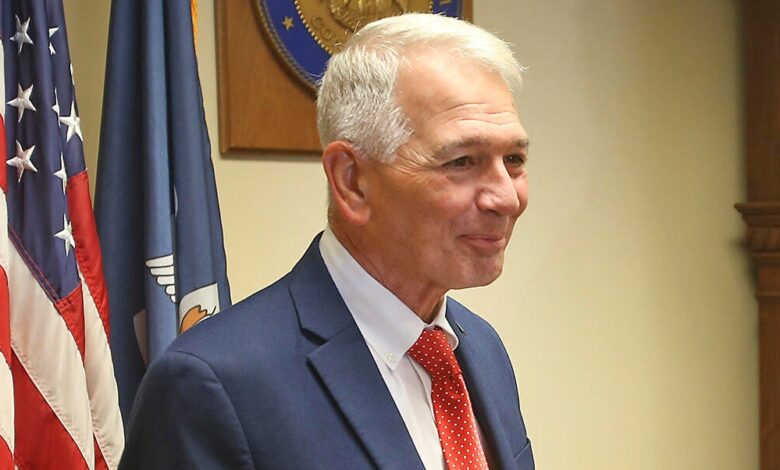
The United States is facing the possibility of losing its status as a measles-free country after a year of ongoing measles outbreaks that have affected over 2,400 individuals. The newly appointed principal deputy director at the Centers for Disease Control and Prevention, Ralph Abraham, expressed his lack of concern about this development, attributing it to the porous borders and personal freedom of communities choosing to remain unvaccinated.
While infections from other countries accounted for only about 10% of measles cases, the majority were acquired domestically, signaling a shift since the elimination of measles in 2000. To maintain its measles-free status, the U.S. must demonstrate that the virus has not circulated continuously within the country for a year. Scientists are currently analyzing major outbreaks in South Carolina, Utah, Arizona, and Texas to determine if they are linked.
The CDC’s genomic studies aim to identify the strain of the measles virus responsible for these outbreaks and whether they are more closely related within the U.S. or to strains in other countries like Canada and Mexico. The Pan American Health Organization will ultimately decide if the U.S. retains its measles elimination status based on these findings.
Critics, including pediatrician and vaccine specialist Paul Offit, have condemned the government’s approach, particularly Health and Human Services Secretary Robert F. Kennedy Jr.’s anti-vaccine rhetoric, which has sowed confusion and undermined vaccination efforts. Jennifer Nuzzo, director of the Pandemic Center at Brown University, emphasized the importance of stopping the outbreaks rather than focusing on technicalities to maintain the country’s status.
Despite challenges and delays in response efforts, the CDC has provided support to affected areas, such as West Texas and South Carolina, with funding for vaccines and resources. However, concerns remain about the administration’s handling of the outbreaks and its potential impact on the country’s measles-free status.
As the CDC continues its genomic analyses, the future of the U.S.’s measles elimination status remains uncertain. The high case counts in recent years underscore the importance of vaccination and public health measures to prevent the resurgence of measles. Stay tuned for updates on this evolving situation.