As US shutdown starts to bite, how much could it hit economy?
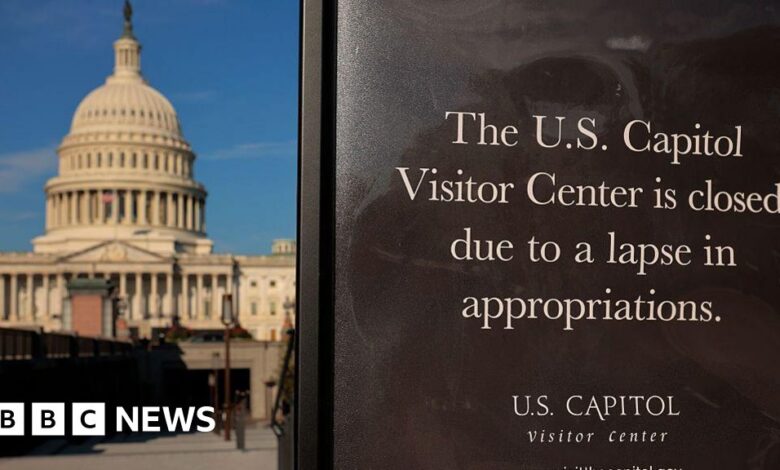
The Economic Impact of the US Government Shutdown
Michael Galletly, an IT management specialist from Utah, is feeling the financial strain of the government shutdown. With bills piling up and uncertainty looming, he is unsure of how long he can sustain his finances without a paycheck.
As the shutdown continues, the ripple effects are being felt across various sectors. Business and consumer confidence is plummeting, leading to a potential economic downturn. Key economic data releases are being delayed, causing further uncertainty in the market.
For federal workers like Galletly, the shutdown means making tough financial decisions. From postponing major purchases to applying for unemployment insurance, many are struggling to make ends meet.
While government shutdowns typically have a temporary impact on the economy, this year’s situation poses unique risks. The Trump administration’s actions, such as threatening to deny backpay to workers and initiating permanent firings, are adding to the economic uncertainty.
Analysts predict a significant hit to quarterly growth and a potential rise in the unemployment rate if the shutdown persists. The White House Council of Economic Advisers estimates a loss of billions in consumer spending, highlighting the widespread repercussions of the shutdown.
As federal workers and their families brace for the financial fallout, businesses in regions heavily reliant on government spending are also feeling the pinch. The Washington, DC area, in particular, is expected to bear the brunt of the shutdown’s economic impact.
As the shutdown drags on, the economic consequences are becoming more pronounced, affecting not just federal workers but the entire ecosystem of businesses and consumers.