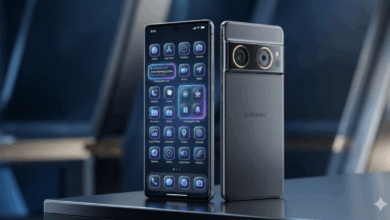
Asus ROG Phone & Zenfone Smartphones No Longer Being Made
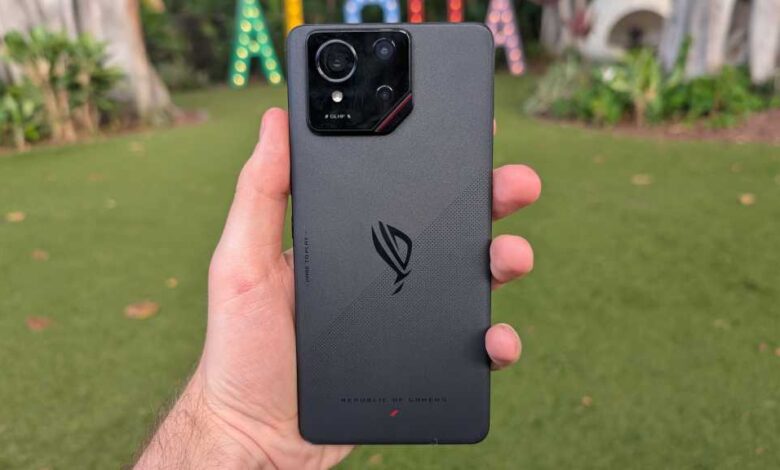
Asus, the renowned Taiwanese tech company, has made the bold decision to exit the smartphone market. This move comes after years of struggling to compete in the highly competitive Android phone market, with both its ROG Phone and Zenfone lines failing to gain significant traction. According to a report by Tech Advisor, Asus held less than 1.94% of the global market share, prompting the company to shift its focus to commercial PCs and physical AI hardware products.
During an event in Taipei, Chairman Jonney Shih announced the company’s decision to discontinue its smartphone lines and concentrate on other product categories. While some speculate that this move may be temporary, it appears that Asus is bidding farewell to its innovative gaming smartphones like the ROG Phone 7 Ultimate and general-purpose devices like the Zenfone.
Existing Asus phone users need not worry, as the company has assured continued software support for its current devices. This includes popular models like the ROG Phone 9 Pro and the Zenfone 12 Ultra, which was released in February last year. Despite the end of its smartphone era, Asus remains committed to serving its loyal mobile user base.
The writing was on the wall for Asus’s smartphone division, as the brand struggled to make a significant impact in a market dominated by giants like Samsung and Apple. The ROG Phone series, known for pushing the boundaries of mobile gaming, and the Zenfone lineup failed to gain substantial market share, leading to the inevitable decision to exit the smartphone market.
While the loss of Asus as a smartphone manufacturer may be seen as a setback for innovation in the industry, it could also be a positive development. With concerns about global RAM shortages and the environmental impact of smartphone production, reducing the number of manufacturers could have its benefits.
Asus will continue to thrive in the PC market, where the ROG brand has established itself as a leader in gaming hardware. The company also has ambitious plans to expand into AI hardware products, including robotics and smart glasses. For consumers in search of a new smartphone, there are still plenty of options available in the market, and Asus’s exit may pave the way for new innovations from other manufacturers.
In conclusion, while the end of Asus’s smartphone journey marks the end of an era, it opens up new opportunities for the company to focus on its strengths in commercial PCs and AI hardware. Existing Asus phone users can rest assured that they will continue to receive support, while the tech industry eagerly awaits what the future holds for Asus in its new ventures.