Avelo Airlines to halt deportation flights for ICE
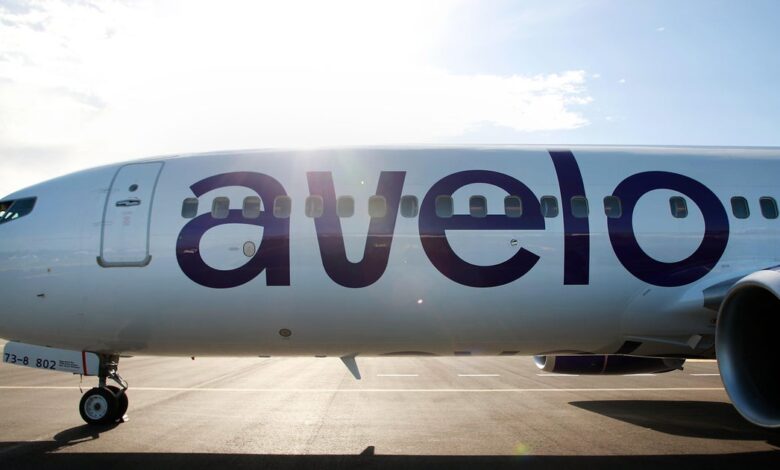
Avelo Airlines has announced that it will no longer be conducting migrant deportation flights for the Department of Homeland Security, bringing an end to a contract that supported the U.S. government’s immigration enforcement efforts. The decision was made by the Houston-based carrier, which was founded in 2021, citing that the deal to handle Immigration and Customs Enforcement deportation flights did not provide sufficient financial benefits to the airline. As a result, Avelo will be shutting down its hub at Mesa Gateway Airport in Phoenix, where its migrant flight operation was based.
An Avelo spokesperson stated, “Avelo will close the base at Mesa Gateway Airport on January 27 and will conclude participation in the DHS charter program. The program provided short-term benefits but ultimately did not deliver enough consistent and predictable revenue to overcome its operational complexity and costs.” Avelo currently operates low-cost flights to numerous destinations, including the Caribbean, from four U.S. hubs and has plans to open a fifth base in Dallas in late 2026.
The Department of Homeland Security has historically partnered with CSI Aviation, which subcontracted with Avelo to provide ICE with air charter services. Although ICE never directly contracted with Avelo Airlines, the federal agency will continue to utilize its contracted service provider, which works with multiple airlines to support the mandate for mass deportations of criminal illegal aliens.
In April, Avelo’s founder and CEO Andrew Levy expressed optimism that the airline’s deportation business would contribute to the carrier’s growth, acknowledging the sensitivity and complexity of handling deportation flights. However, Mesa’s charter program has faced public backlash and protests due to its collaboration with ICE. The Indivisible Project, a nonprofit organization that led protests against Avelo Airlines, commended the carrier’s decision to terminate its contract with DHS.
Ezra Levin, co-executive director of Indivisible, stated, “For months, communities across the country spoke out, organized, protested, and demanded that Avelo Airlines end its deportation flights. After months of declining sales and canceled commercial flights, Avelo was compelled to walk away from contracts that harmed immigrant families, destabilized workers, and impacted its sales.”
In conclusion, Avelo Airlines’ decision to discontinue migrant deportation flights reflects a shift in the company’s business strategy and values. The airline’s move has been met with both support and criticism, highlighting the complex and contentious nature of immigration enforcement.