Bank of England boss ready to cut interest rates if job market slows
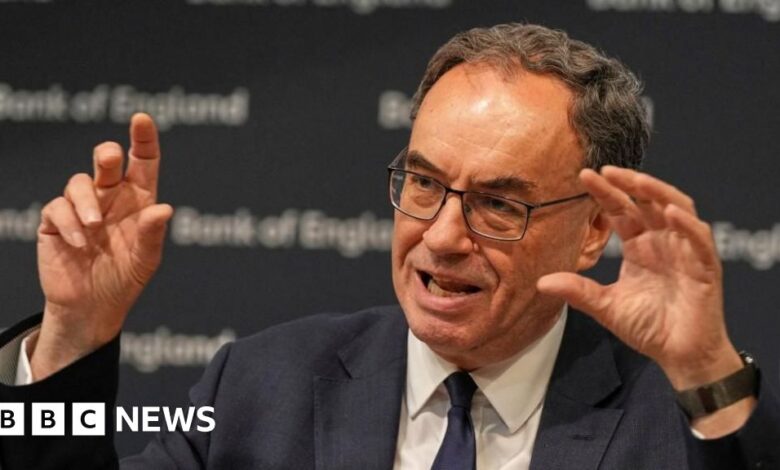
The Bank of England is gearing up to implement more significant interest rate cuts if there are indications of a slowdown in the job market, according to Governor Andrew Bailey. In an interview with the Times, Bailey emphasized his belief that the trajectory for interest rates is downward. Currently standing at 4.25%, interest rates will be reassessed at the Bank’s upcoming meeting on 7 August, with many experts anticipating a rate reduction.
Interest rates play a crucial role in influencing mortgage rates, credit card rates, and savings rates for a vast number of individuals. Bailey underscored the importance of being gradual and cautious in the approach to interest rate adjustments, despite inflation currently exceeding the target. He pointed out that the UK economy is operating below its full capacity, resulting in excess capacity that can help alleviate inflation pressures.
The term “slack” refers to the unused resources within an economy, such as idle factories and unemployed individuals. Bailey highlighted that if the slack in the economy expands rapidly, it would lead to a different decision regarding interest rates. He noted that businesses are making adjustments to employment and working hours, offering reduced pay raises following the increase in National Insurance contributions for employers by Chancellor Rachel Reeves earlier this year.
The latest data reveals a decline in job vacancies to 736,000 over the three months up to May, the lowest level since 2021 when hiring was stalled due to the pandemic. Concurrently, there has been a notable increase in the number of available workers, posing challenges for employers in recruitment. The impact of the NIC increase on hiring difficulty was highlighted by Ian McAllister, CEO of MAN Commercial Protection, expressing concerns about a possible recession and advocating for a rate cut.
Investor Louise Dudley from Federated Hermes interpreted Bailey’s statements as signaling an imminent rate cut. The Bank opted to maintain interest rates unchanged during the previous meeting in June after implementing two cuts earlier in the year. The UK economy experienced a 0.1% contraction in May, primarily attributed to a decline in manufacturing and weak retail sales, as reported by the Office for National Statistics.
The evolving economic landscape and employment trends are pivotal factors influencing the Bank of England’s decision-making process regarding interest rates. As uncertainties persist, the Bank remains vigilant in its approach to ensure economic stability and growth.