Bank of England November 2025 rate decision
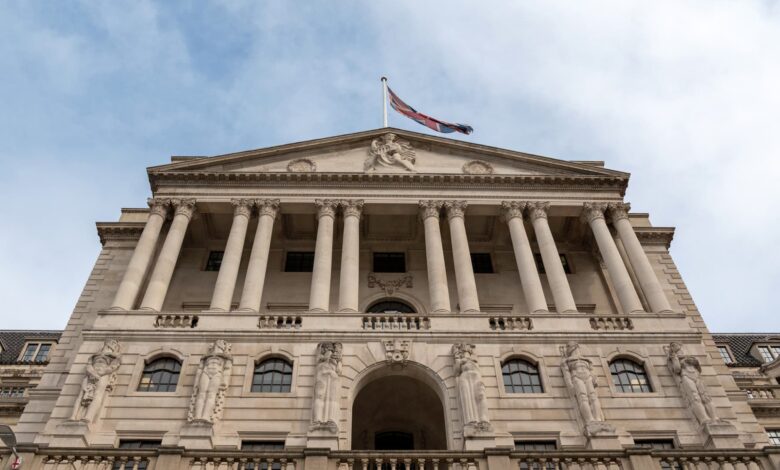
The Bank of England made a crucial decision on Thursday to keep interest rates steady, as the government gears up for its Autumn Budget in November. The nine-member monetary policy committee was divided, with five members voting to maintain the key interest rate at 4% and four members opting for a 25 basis point cut.
The decision was closer than expected, with economists forecasting a 6-3 split in favor of holding rates. However, BOE Governor Andrew Bailey hinted at future rate cuts, with economists now pricing in a potential cut before Christmas.
Bailey emphasized that the central bank has already cut interest rates five times since August 2024, indicating that policy is no longer as restrictive as before. He mentioned that the timing of the next cut would depend on upcoming inflation and labor market data, as well as incorporating Chancellor Rachel Reeves’ budget announcement on November 26.
The central bank’s statement highlighted that inflation, which stood at 3.8% in September, had likely peaked and was now on a downward trend. This was attributed to the still restrictive monetary policy stance, as evidenced by slowing pay growth and services price inflation. The BOE cautioned that future rate cuts would be contingent on the evolution of the inflation outlook.
Economists interpreted the decision as a win for the doves, signaling a cautious approach towards future rate cuts. Yields on U.K. government bonds fell, while the British pound saw a slight increase against the U.S. dollar.
Looking ahead, there is consensus among rate-setters that cuts could be on the horizon, with expectations of a rate trim in December. Most members of the MPC are more concerned about the consequences of cutting rates too quickly, indicating that the BOE will closely monitor data before deciding on further cuts.
The upcoming Autumn Budget on November 26 adds another layer of complexity to the decision-making process. Chancellor Rachel Reeves is expected to announce tax rises to address a fiscal black hole, which could further impact consumer demand and inflation.
Overall, the Bank of England’s decision to hold rates steady reflects a cautious approach in light of economic uncertainties and upcoming fiscal policy changes. Investors will be closely watching for further developments as the central bank navigates a challenging economic landscape. A Front-Loaded Fiscal Tightening Could Lead to Third Rate Cut in 2026
The possibility of a third rate cut in 2026 is looming, according to financial experts. In a recent statement, economist John Smith expressed his belief that “a front-loaded fiscal tightening would open the door to a third cut in 2026, to 3.25%.” This prediction has sparked discussion among investors and policymakers alike, as they consider the potential implications of such a move.
The concept of a front-loaded fiscal tightening involves implementing significant budget cuts and austerity measures in the early stages of a fiscal adjustment program. This approach is intended to address immediate fiscal challenges and stabilize government finances in the short term. However, the potential downside of this strategy is that it could lead to a slowdown in economic growth and undermine consumer confidence.
If a front-loaded fiscal tightening were to be implemented, it could create the conditions for a third rate cut in 2026. This rate cut would likely be an effort to stimulate economic activity and offset the negative impact of the fiscal tightening measures. By reducing interest rates, central banks can encourage borrowing and spending, which can help to boost economic growth and employment.
While a third rate cut may be seen as a necessary response to a front-loaded fiscal tightening, it is not without risks. Lowering interest rates too aggressively could lead to inflationary pressures and asset bubbles, which could pose challenges for the economy in the long term. Policymakers will need to carefully balance the need for stimulus with the potential risks of loose monetary policy.
In conclusion, the possibility of a third rate cut in 2026 is a topic of debate and speculation among economists and investors. A front-loaded fiscal tightening could create the conditions for such a move, as policymakers seek to navigate the complex challenges of managing fiscal and monetary policy in a changing economic landscape. It will be important to monitor developments closely and assess the potential impact of any future rate cuts on the economy and financial markets.