Barclays Q3 earnings
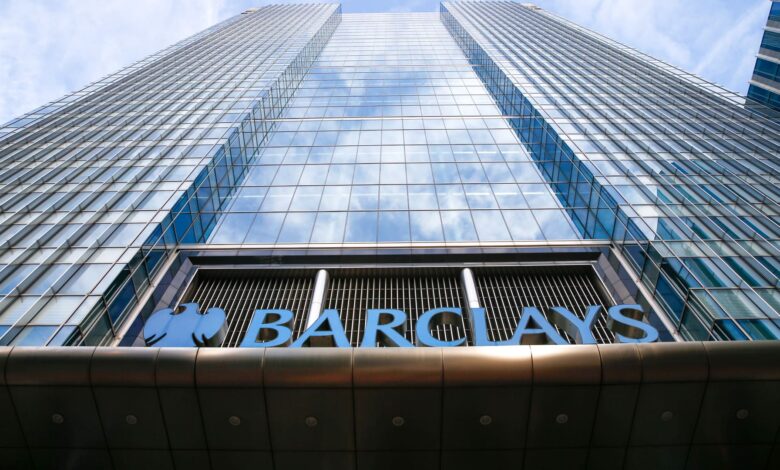
Barclays, a British lender, made headlines with its third-quarter earnings report, announcing an increase in guidance and a £500 million ($667 million) share buyback. The bank raised its Return on Tangible Equity (RoTE) target to greater than 11% for the full year, up from around 11%, and upgraded its net interest income guidance to more than £12.6 billion.
CEO C. S. Venkatakrishnan highlighted the bank’s consistent capital generation for shareholders over the past nine quarters, leading to the decision to bring forward part of its distribution plans with the share buyback announcement. Despite posting a pre-tax profit of £2.1 billion for the quarter, slightly below analysts’ expectations and a 7% decline from the same period in 2024, Barclays’ London-listed shares surged by 4.9% on Wednesday.
Income for the quarter stood at £7.2 billion, impacted by a £235 million charge related to the U.K.’s car loans scandal and a £110 million impairment charge from a “single name” claimant. The bank’s RoTE for the quarter dropped to 10.6% from 12.3% a year earlier, with earnings per share at 10.4 pence. However, the investment banking division saw an 8% year-on-year increase in income.
Barclays’ strong performance in investment banking has contributed to the overall growth of European financial stocks, with the Stoxx 600 Banks Index rising by more than 55% in 2025. Barclays shares have also surged by over 35% year-to-date. In comparison, U.S. banking giants JPMorgan Chase and Goldman Sachs reported robust third-quarter earnings, bolstered by strong results in their investment banking units.
The banking sector faced scrutiny over fears of bad loans on Wall Street, impacting European banking stocks temporarily. Barclays, with a significant presence in the U.S. market, including investment banking operations following its acquisition of Lehman Brothers’ units in 2008, quickly recovered from the market jitters.
RBC Capital Markets Analyst Benjamin Toms highlighted Barclays’ potential for higher valuation without litigation charges but noted challenges in the banking sector, including uncertainties surrounding the U.K.’s Autumn Budget. He emphasized the need to monitor the bank’s U.S. corporate exposure and potential risks like conduct, litigation costs, and unforeseen challenges.
Overall, Barclays’ strong performance in the third quarter, coupled with its strategic decisions, positions the bank for continued growth and shareholder value creation in the future. The banking sector’s resilience in the face of economic uncertainties and market fluctuations underscores the importance of strategic planning and risk management for financial institutions like Barclays.